
01
Forensic Mapping & Site Documentation
Preserve changing site conditions as measurable visual and spatial records for later professional review.
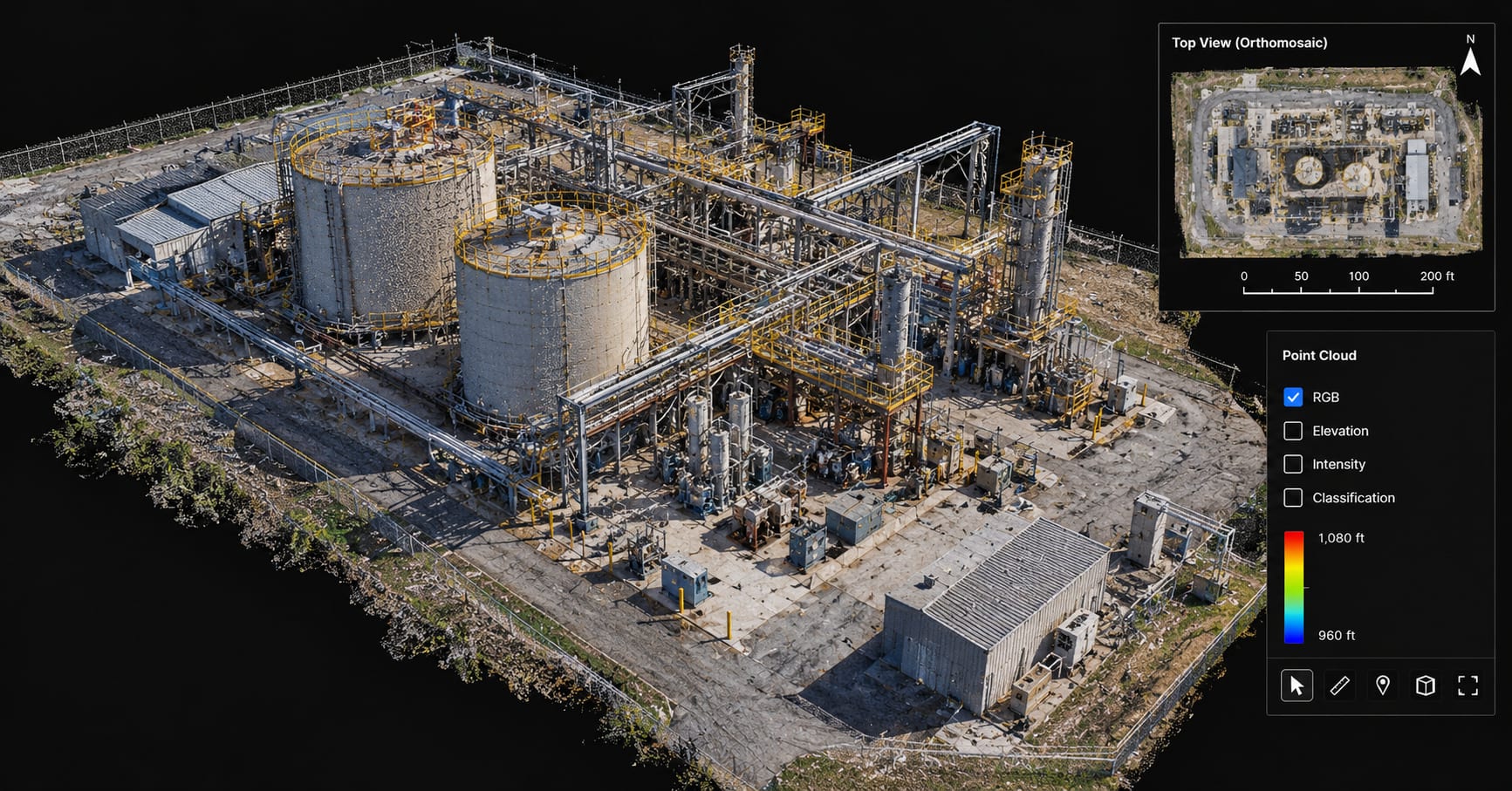
- Orthomosaics
- 3D models
- Point clouds
- Annotated imagery
- Supporting files
Technical field documentation
Technical field documentation for investigations, construction, and industrial work.
SterFlies creates structured, reviewable 2D and 3D records of physical sites so conditions can still be examined after the site changes. Aerial, terrestrial, thermal, and photogrammetric methods are selected for the record. Qualified professionals interpret the documentation.
Services
Four records, not four pieces of hardware. The capture method follows the site, the objective, and the deliverables that later review actually needs.
01
Preserve changing site conditions as measurable visual and spatial records for later professional review.
02
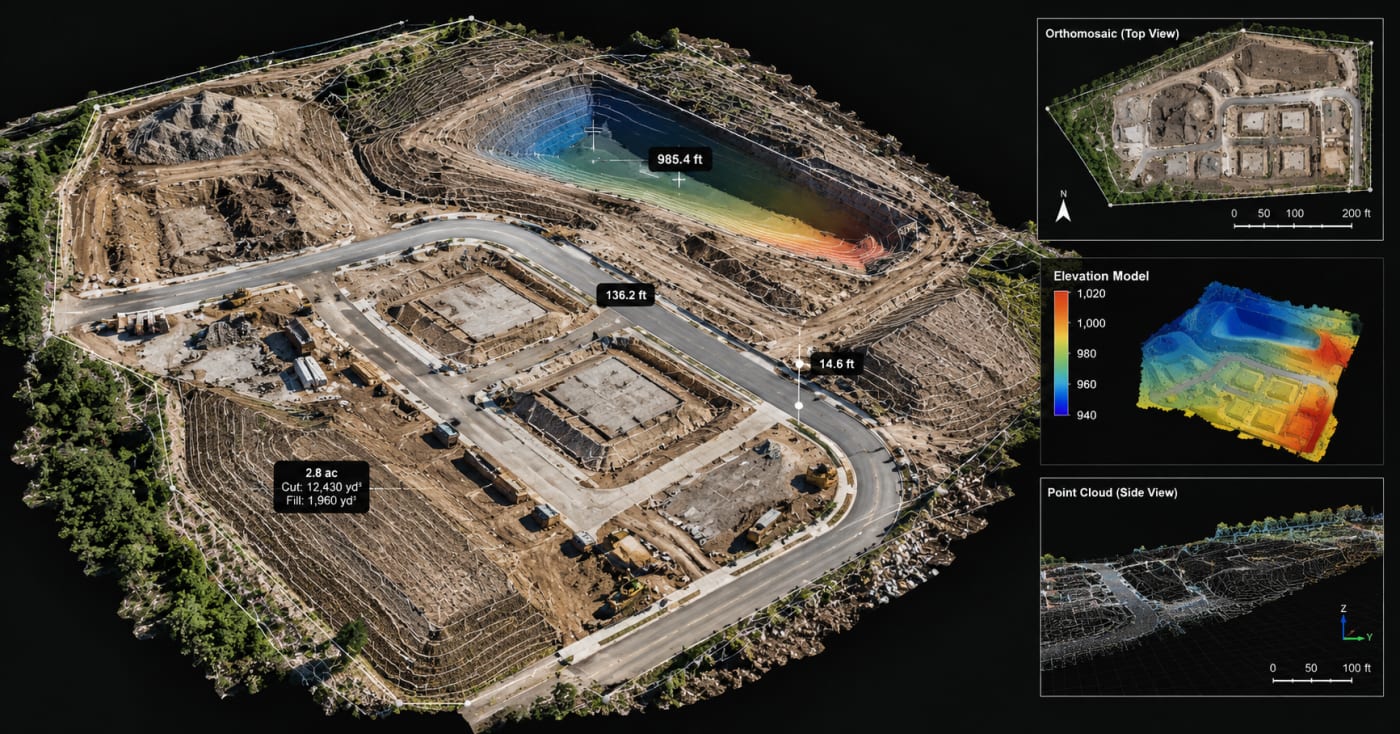
Create measurable 2D and 3D site records for construction, industrial, existing-condition, and technical workflows.
03
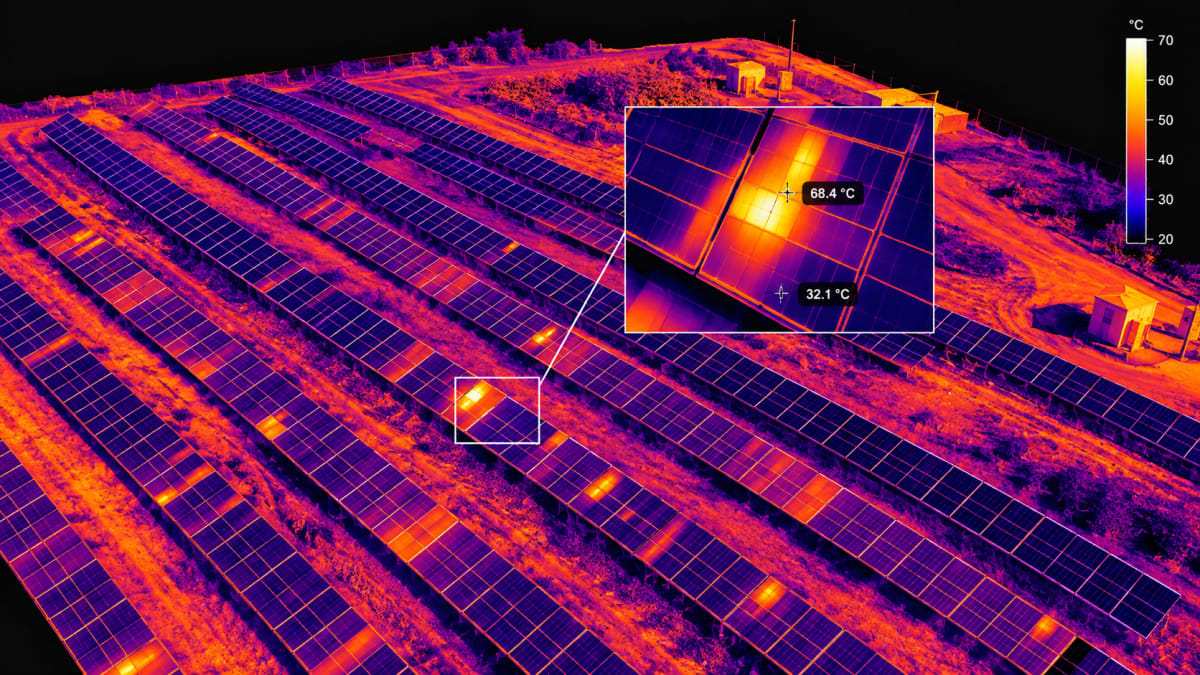
Capture apparent temperature patterns with corresponding visual and location context where temperature is relevant to the work.
04
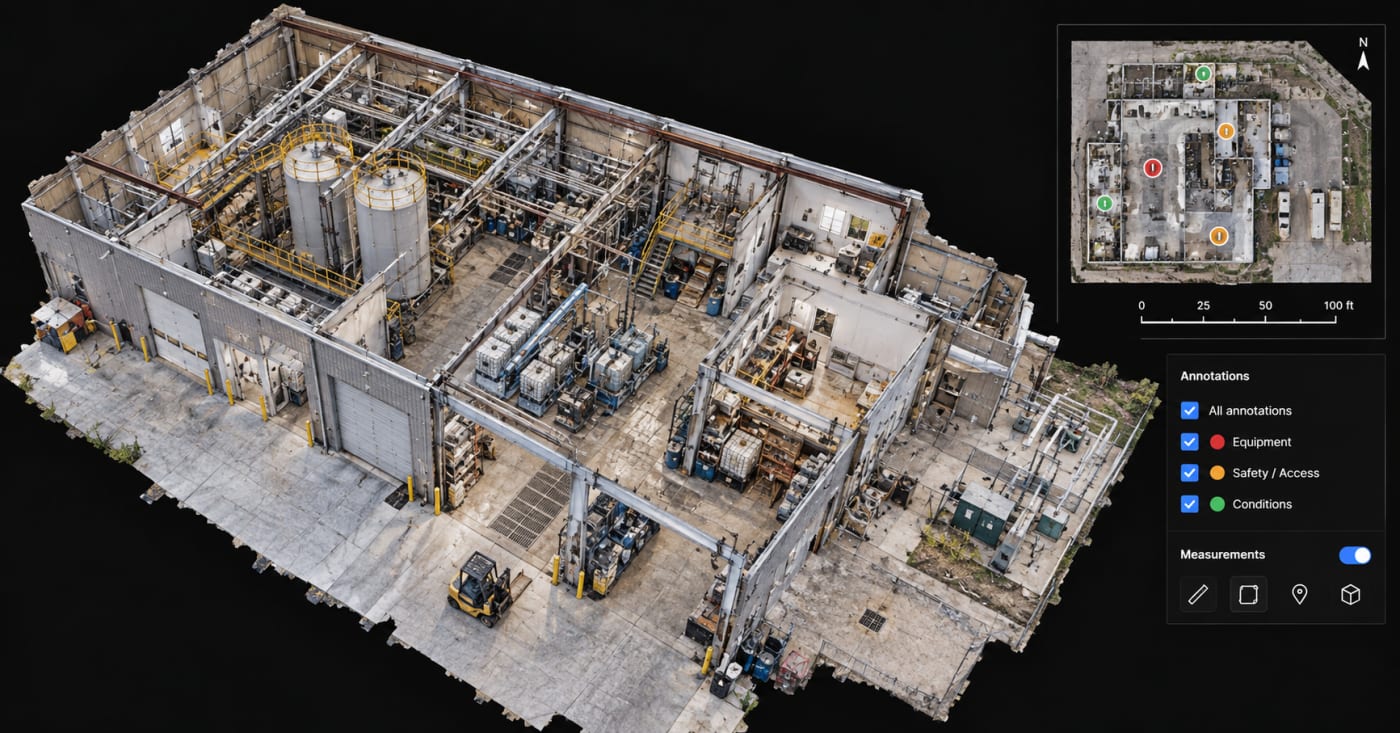
Document interiors and ground-level conditions that aerial mapping alone cannot preserve, including room relationships, access, and walkable context.
Projects
Existing-conditions, mapping, thermal, and construction records. Each example is a real project, shown as a documentation case rather than a photography portfolio.
Existing Conditions / Reality Capture
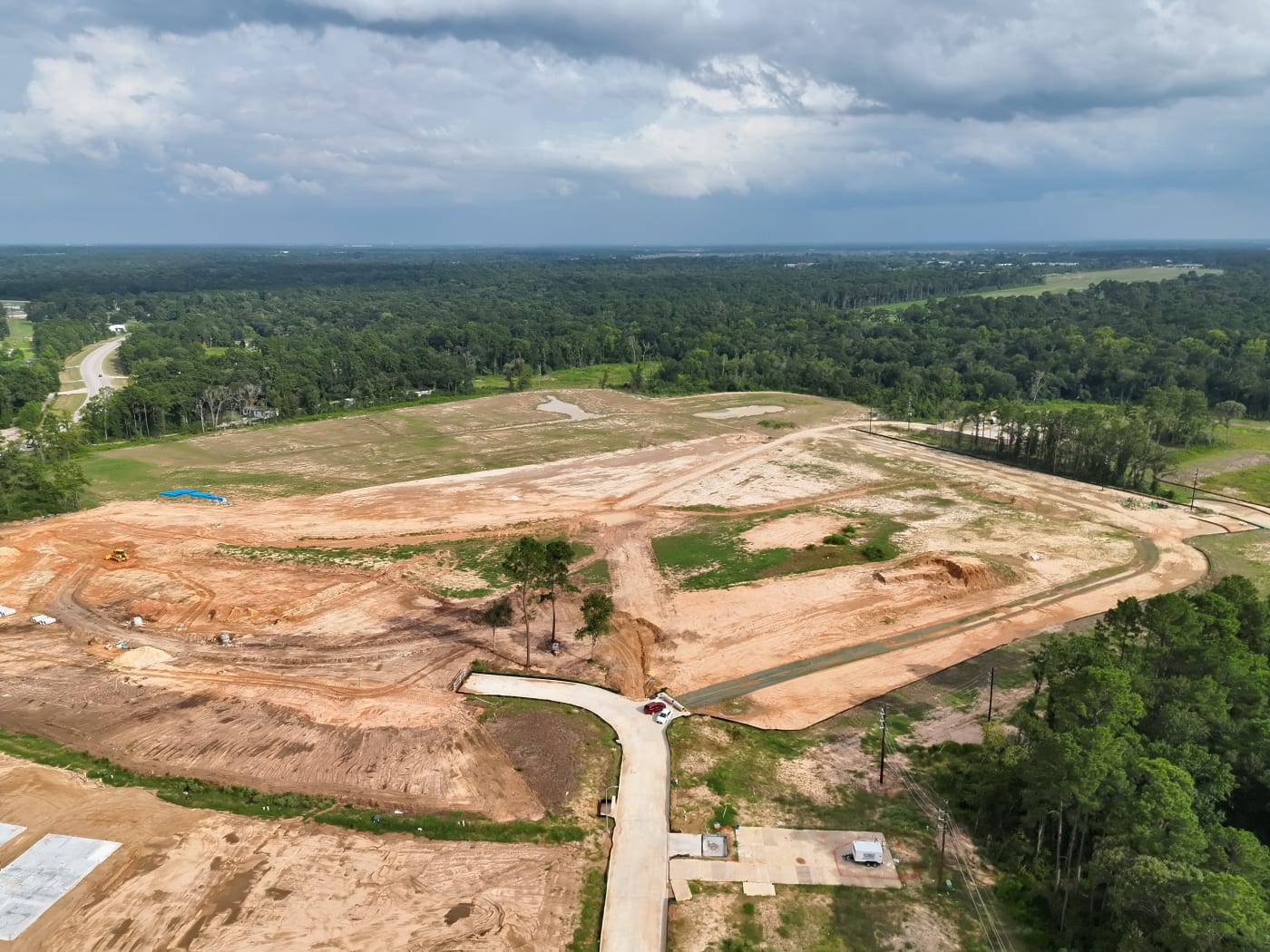
Mapping & Photogrammetry
Create a repeatable spatial record of site conditions and construction progress.
Deliverables. Orthomosaic, shareable web map, and site imagery.
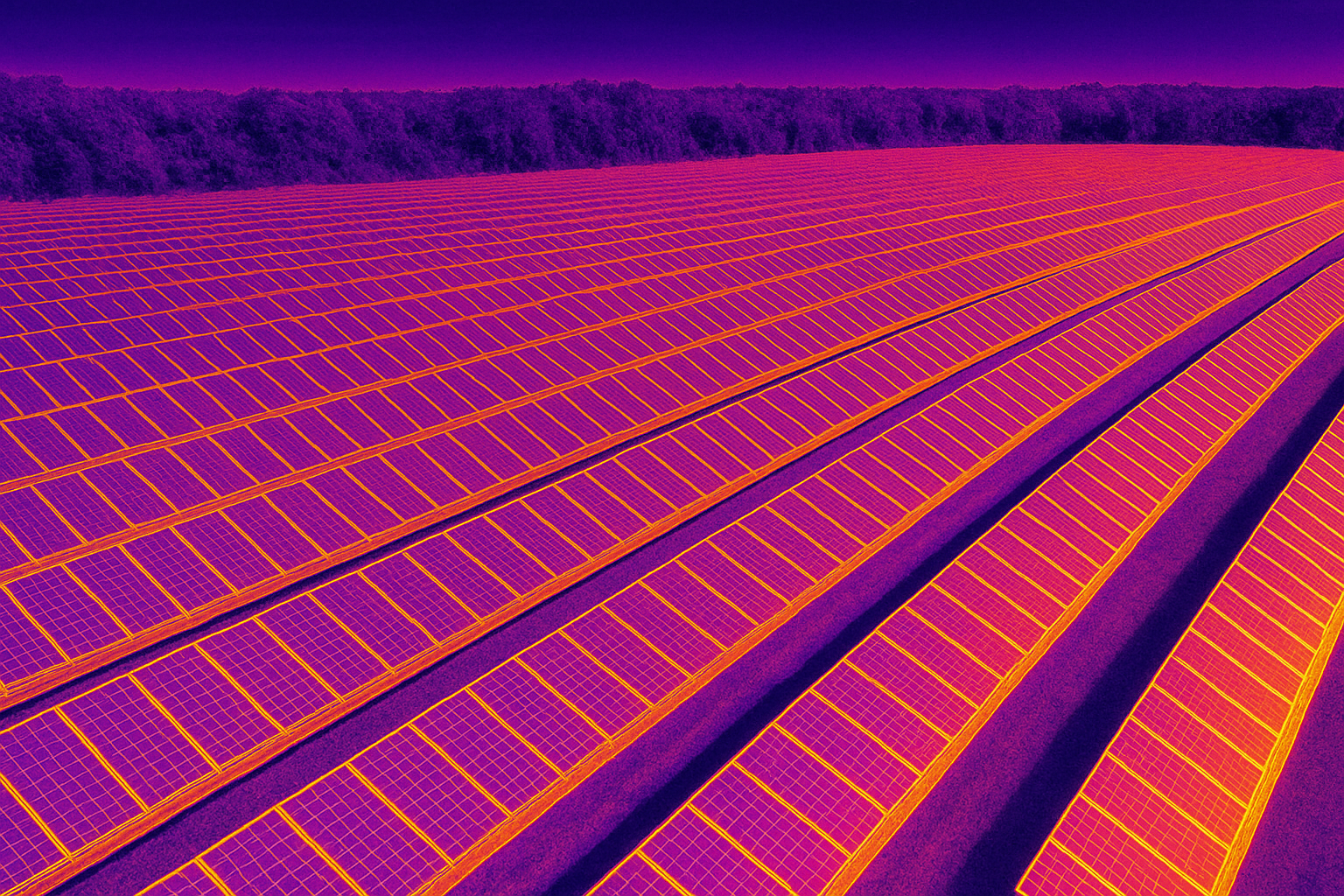
Thermal Documentation
Document apparent temperature patterns across the array and preserve corresponding RGB and location context.
Deliverables. Thermal imagery, RGB imagery, annotated snapshots, mapped context, and a review report.
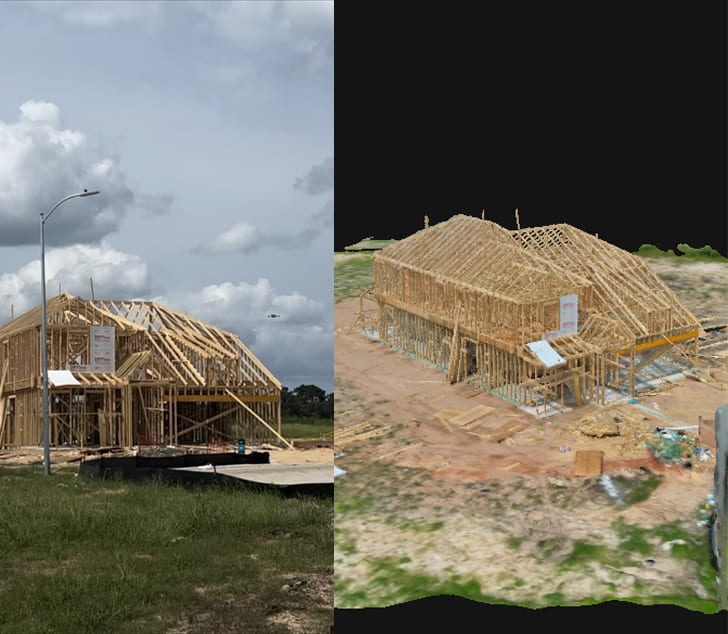
3D Progress Documentation
Preserve a repeatable 3D record of construction progress for remote review.
Deliverables. Browser-based 3D model and supporting progress imagery.
Articles
Field notes on forensic mapping, photogrammetry, reality capture, thermal documentation, and the records used in professional review.

Forensic Documentation
What a mapped aerial record can preserve for later review, and where ground-based capture is still required.
September 22, 2026 · 9 min read
Read article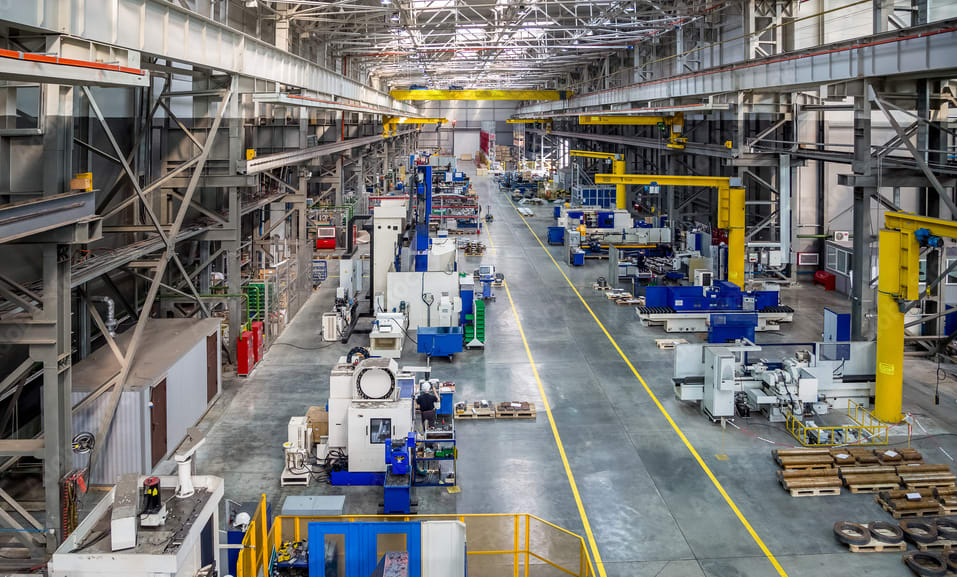 Forensic DocumentationDocumenting Industrial Machinery After a Workplace IncidentIndustrial machinery investigations require careful documentation of equipment, protective features, and surrounding work environments. Learn how technical documentation supports subsequent investigative review.October 23, 2026 · 6 min read
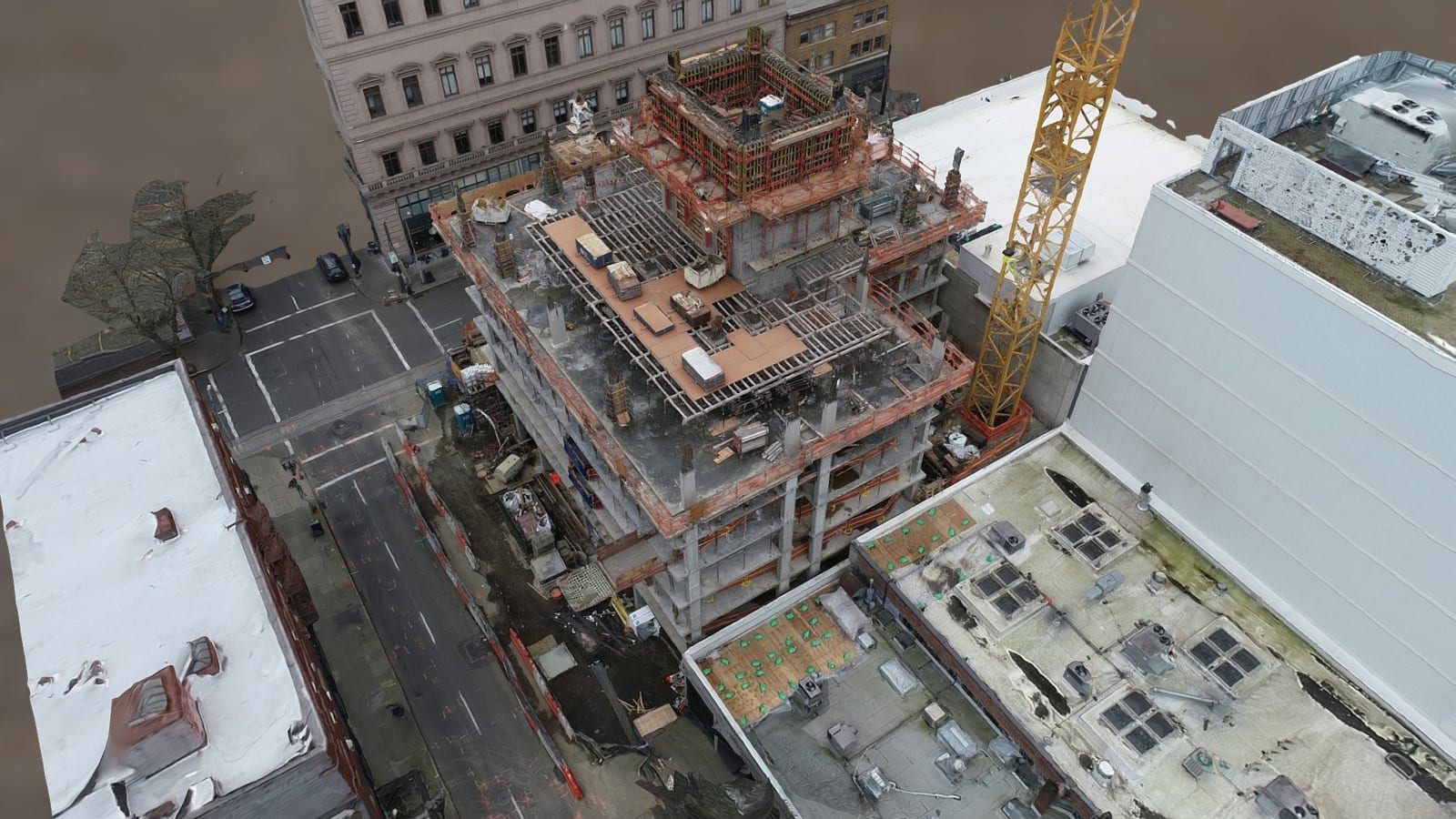 Forensic DocumentationWhen Drones Belong in a Workplace Safety InvestigationA practical look at when drone technology belongs in workplace incident investigations, including safety considerations, deployment planning, and regulatory requirements.October 20, 2026 · 6 min read
 Reality CaptureMatterport and 3D Scanning in Safety InvestigationsHow spatial capture preserves existing conditions and helps investigative teams understand complex work sites.October 16, 2026 · 9 min readForensic DocumentationDocumenting Crane and Rigging Incident Sites with Reality CaptureHow aerial mapping, photography, and 3D capture can preserve crane setup, work zone geometry, and surrounding site context before conditions change.September 30, 2026 · 9 min read
 Industrial Hygiene / Existing ConditionsHow Reality Capture Can Strengthen Industrial Hygiene Field InvestigationsHow spatial documentation can preserve sampling locations, work areas, ventilation context, and site conditions for later industrial hygiene review.September 28, 2026 · 8 min read
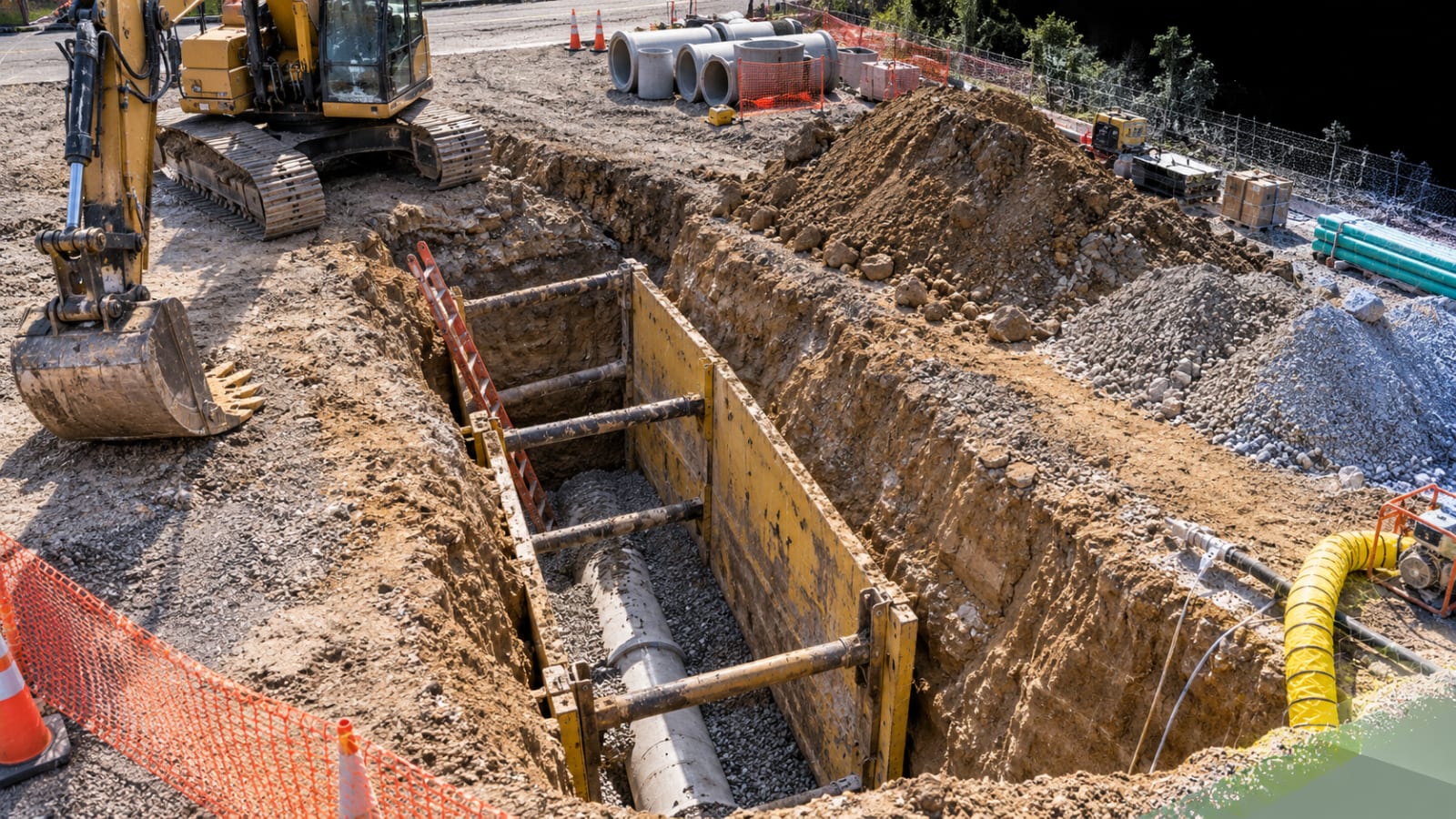 Forensic DocumentationDocumenting Excavation and Trenching Incidents Before the Site ChangesWhy trench geometry, access, equipment, spoil, protective systems, and surrounding site context should be documented while the physical scene still exists.September 25, 2026 · 14 min read
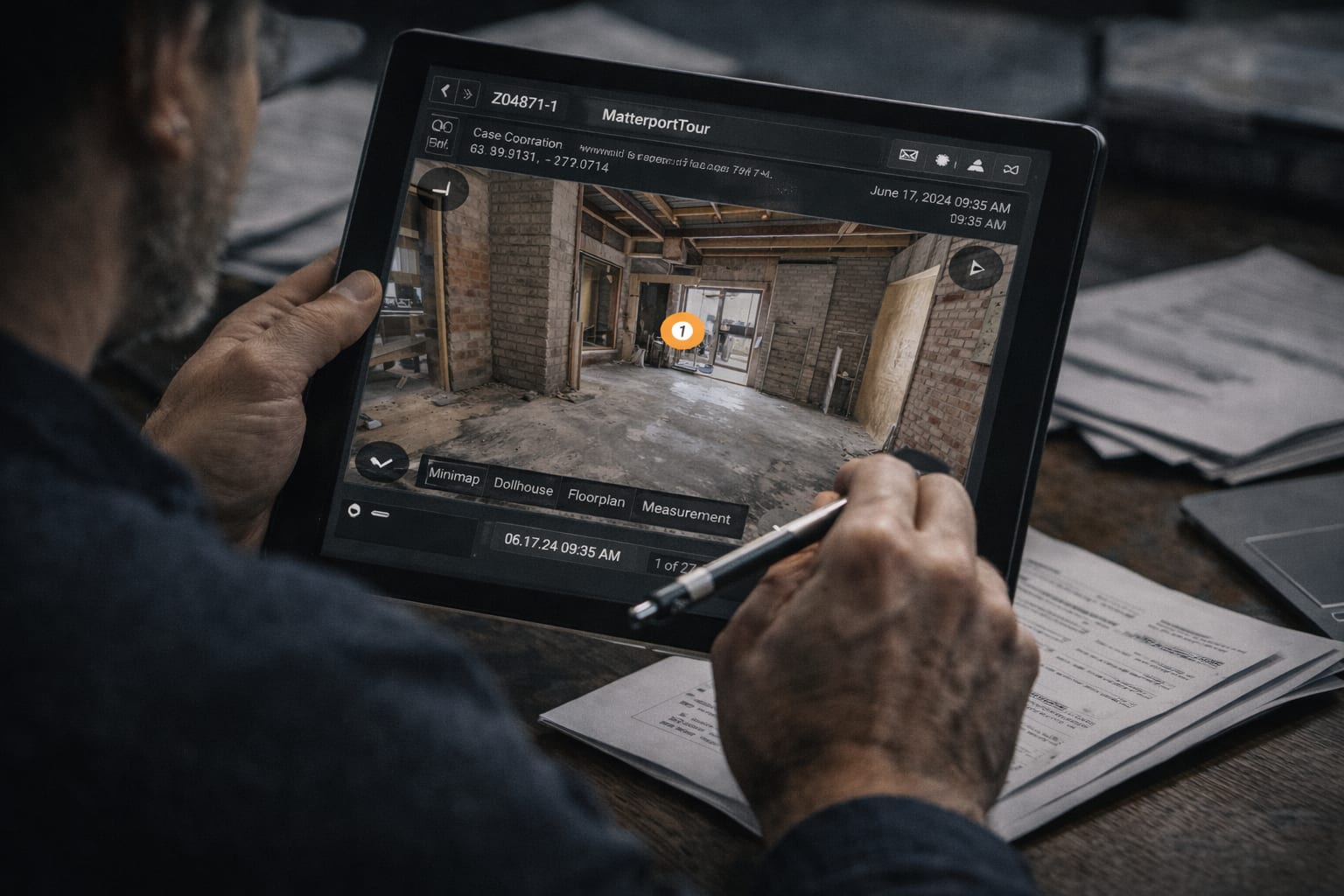 Reality CaptureRemote Site Review After Conditions Change: Preserving Spatial Context with Interactive Reality CaptureHow interactive spatial documentation helps later reviewers understand rooms, equipment, structures, access, terrain, and other site relationships after original conditions have changed.September 24, 2026 · 18 min read
 Reality CapturePoint Clouds for Site Documentation: What They Are, What You Can Measure, and Their LimitationsA point cloud samples visible surfaces. It is not a picture, a mesh, or a survey.September 23, 2026 · 9 min read
Workflow
The engagement is scoped to the record required. Capture methods follow site conditions, the objective, required deliverables, access, scale, and the type of record needed.
01
Understand what conditions need to be preserved, measured, or reviewed.
02
Select aerial, terrestrial, thermal, or combined methods for the site and the record.
03
Capture field conditions systematically and safely.
04
Create the agreed spatial, visual, and supporting deliverables.
05
Provide organized documentation for project teams and qualified professionals.
Deliverables
Deliverables are selected according to the project objective and agreed scope. Not every project includes every product.

Spatial
Scaled aerial maps of site layout, access, and change over time.
Navigable site geometry for remote review after conditions change.
Spatial datasets that support measurement context and further review.
Distances, areas, and volumes when the capture is scoped for them.
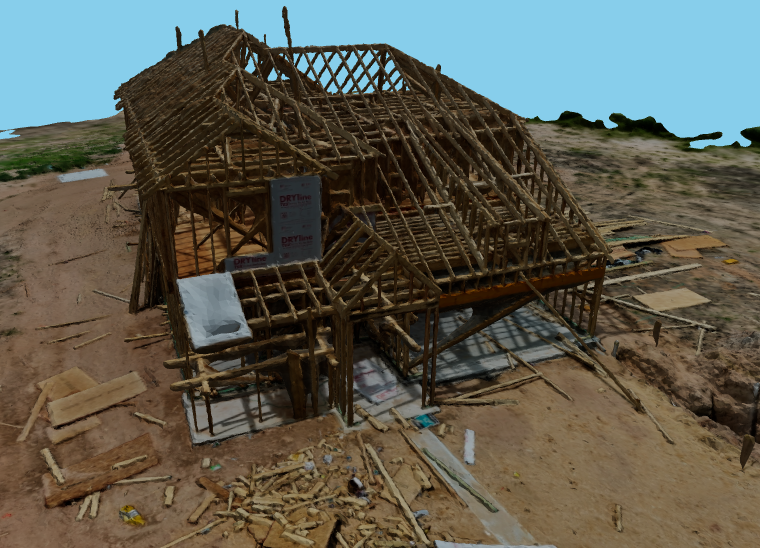
Visual
High-resolution stills of conditions, access, and staging.
Marked views tied to a specific location in the record.
Interior tours that preserve room layout and access.

Thermal
Apparent temperature patterns for inspection documentation.
Corresponding visual frames so a pattern can be found on the asset.
Where on the site or array the frame belongs.

Supporting
Written supporting material when it is part of the agreed scope.
Agreed file formats for the teams who will review the record.
Organized imagery and data delivered with the spatial products.
Use
SterFlies produces spatial and visual records. Qualified experts, investigators, engineers, attorneys, and other professionals interpret those records.
Capture the physical context consultants, attorneys, expert witnesses, and claims professionals may need to review later.
Preserve layout, access, and existing conditions for industrial hygiene, EHS, and facility review. SterFlies does not perform the assessment itself.
Keep a repeatable record of progress, exposed work, and site layout as conditions change.
Preserve layout, access, and surrounding conditions while they can still be recorded.
Keep a repeatable record of progress, exposed work, and site layout as conditions change.
Document yards, equipment surroundings, and operational context for later technical review.
Preserve interior layout and exterior context for sampling and existing-conditions review.
Provide spatial context that isolated photographs often cannot reconstruct after a site changes.
Record current conditions before repairs, demolition, or construction alter the site.
Pair apparent temperature patterns with RGB and location context for qualified PV review.
Qualifications
These credentials support field access and flight operations. They are not industrial-hygiene, engineering, or surveying licenses.

Commercial aerial operations are conducted under an FAA Part 107 remote pilot certificate.

Field work on construction and industrial sites is supported by OSHA 10 construction safety training.
SterFlies maintains insurance appropriate to its field operations. Proof can be provided for an engagement upon request.
Tell SterFlies what needs to be captured, measured, preserved, or reviewed, and the appropriate documentation approach can be determined.