Solar PV
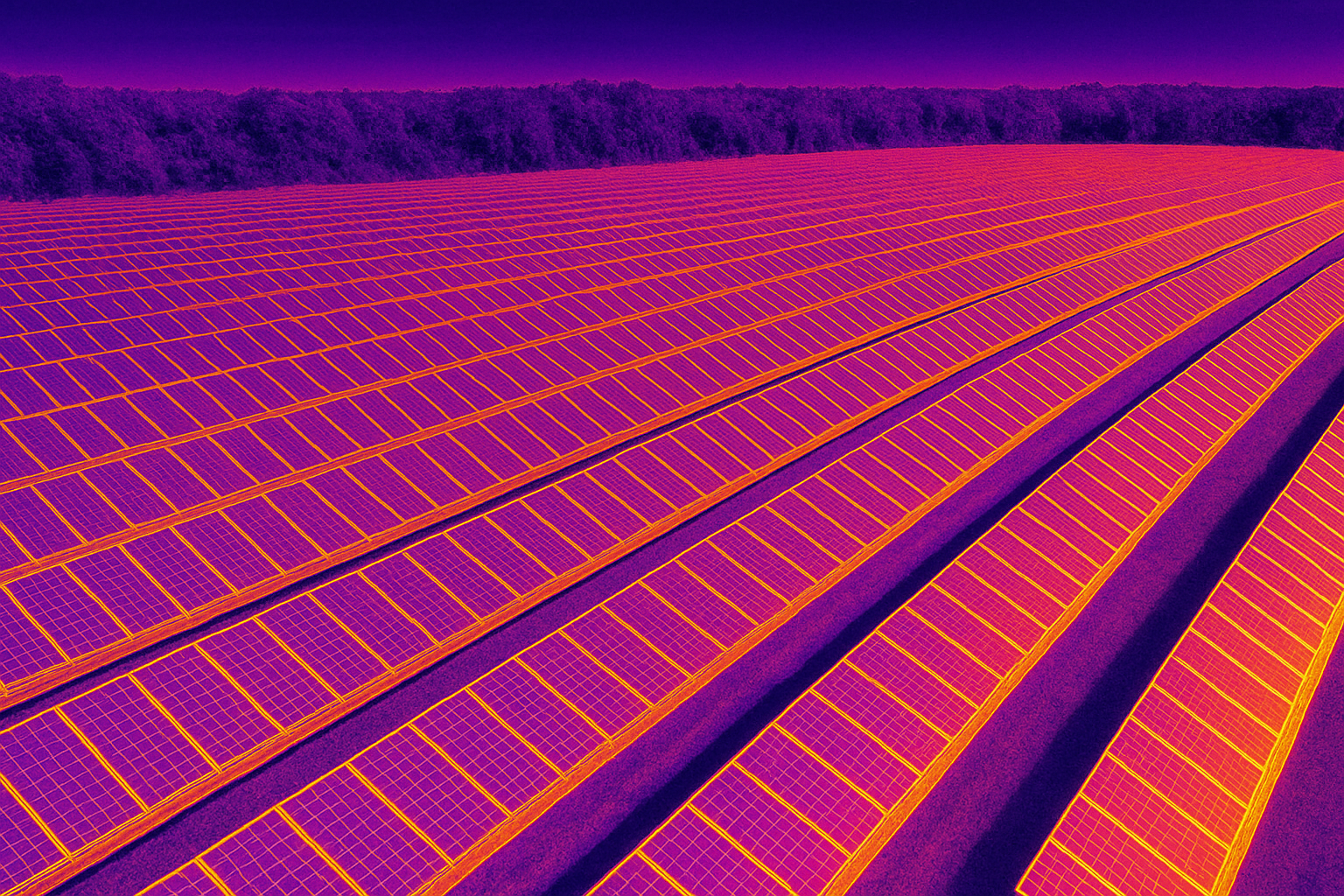
Document apparent temperature variation across modules and strings so maintenance can be directed to specific locations.

Service 03
Thermal imaging captures apparent surface-temperature patterns that can help identify areas for further professional review.
Thermal imaging records apparent surface-temperature differences. It does not independently determine defect cause, moisture source, electrical failure, code violation, or liability unless interpreted by a qualified professional.
Record
A thermal camera records apparent surface temperature, not a diagnosis. Where the sensor is radiometric, the file can retain temperature data for later review instead of only a colorized picture. That data still depends on emissivity, reflections, distance, and the conditions at the time of capture.
RGB frames are part of the record because a temperature pattern is hard to relocate without the visual asset. Site and environment conditions—sun, load, wind, recent rain, and operating state—belong with the imagery when they affect how the pattern should be read. SterFlies documents those conditions when they are known at capture. It does not infer a cause from the pattern.
Use
Photovoltaic inspection is the most developed SterFlies thermal application: module and string patterns, paired with RGB and location context, for later qualified review. Electrical equipment, building envelopes, roofs, and industrial assets can be documented when temperature variation is relevant and the surface is accessible. Those are supporting records for a qualified reviewer, not electrical, moisture, or mechanical conclusions.
IEC 62446-3 is a reporting reference for photovoltaic thermal inspections. It is not a general protocol for every thermal job. Reporting for other assets follows the scope: organized thermal and RGB stills, location, and the conditions noted at capture.
Applications
These are current SterFlies thermal documentation applications. Capture is selected only when temperature variation is relevant to the work.
Document apparent temperature variation across modules and strings so maintenance can be directed to specific locations.
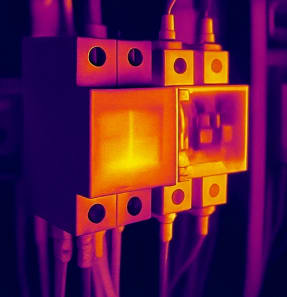
Record apparent temperature patterns on accessible electrical equipment as supporting context for qualified electrical review.
Capture exterior temperature patterns that can support later review of insulation, openings, and envelope conditions.

Document accessible industrial equipment and process areas where temperature variation is relevant to inspection workflows.
Thermal patterns can support moisture or roofing investigations when interpreted with other observations by a qualified professional.

Project
Thermal documentation
Describe the asset, access, and what the record needs to support. We can determine whether thermal capture is appropriate.