Why standards matter in thermal reporting
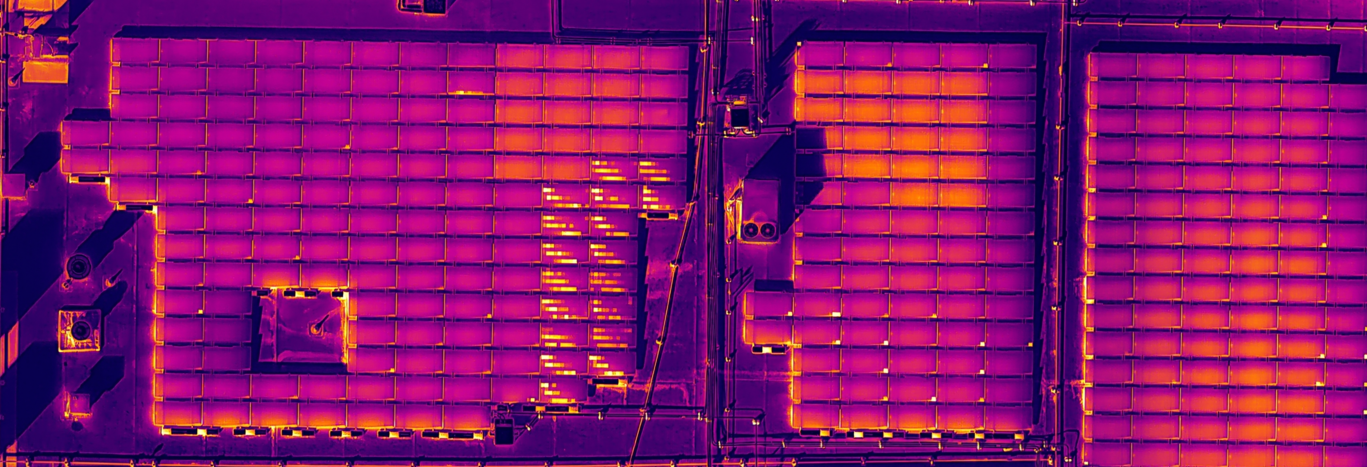
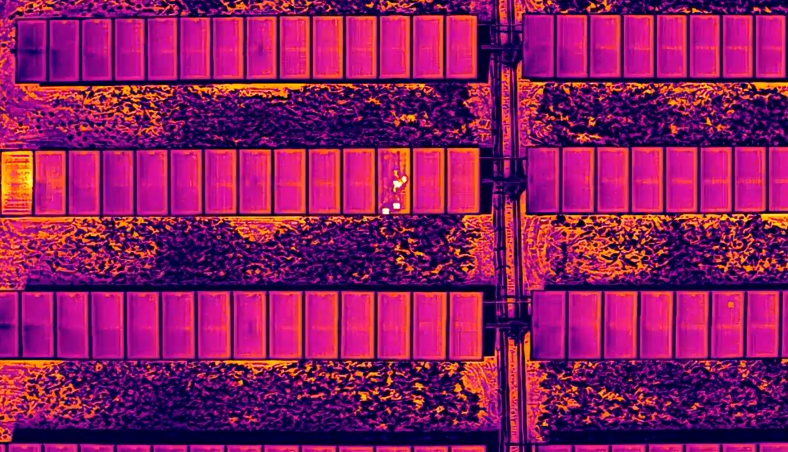
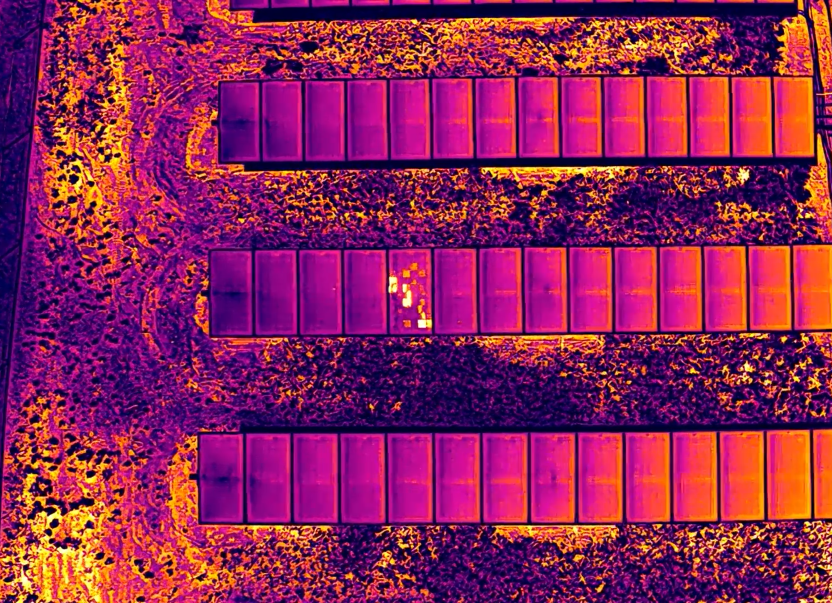
Thermal findings are only meaningful if they were produced under conditions that allow defects to express as temperature differentials. Solar PV anomalies can hide during low irradiance, heavy wind, unstable sky conditions, or inconsistent loading. IEC 62446-3 exists because thermography is not just “seeing heat.” It is measurement, and measurement needs constraints. When you document inspection conditions, you are documenting why your findings can be trusted.
This is also the line between content capture and professional inspection. A casual workflow might deliver a set of hot-looking frames. A professional workflow produces a report that explains when the inspection was performed, what environmental assumptions were present, what camera settings were used, and how findings were evaluated. If someone asks why a module was classified as severe, you can answer without hand-waving, because the report shows the logic and the measurement context.
IEC 62446-3: what it actually expects from a PV thermography inspection
IEC 62446-3 is valuable because it does not treat infrared inspection as a vague best practice. It frames PV thermography as an inspection activity with documented requirements, including equipment suitability, inspection procedure, and reporting content. It also explicitly ties inspection validity to ambient and operating conditions, and provides a matrix-style guideline for interpreting thermal abnormalities. In practice, that means a proper report does not just show an anomaly. It shows the conditions that make the anomaly meaningful and the method that makes it comparable across time.
When you run a drone survey under IEC-style discipline, you are building a dataset that can support more than maintenance. You are building documentation that can support warranty narratives, risk discussions, and long-term degradation monitoring. If a site operator wants repeat surveys quarterly, the methodology must remain consistent. Standards-based reporting is what allows that repeatability.
Radiometric capture and the difference between evidence and imagery
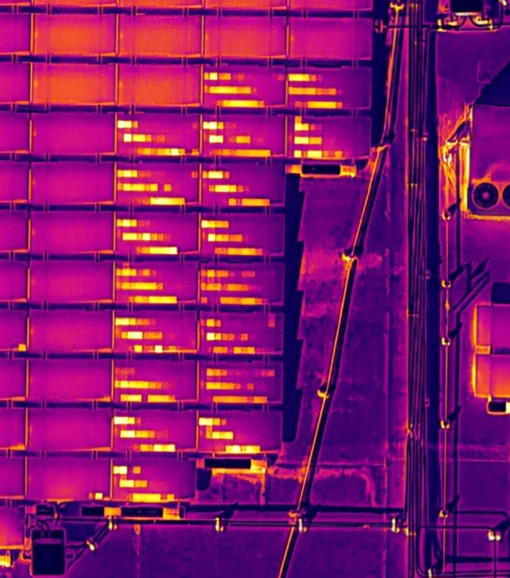
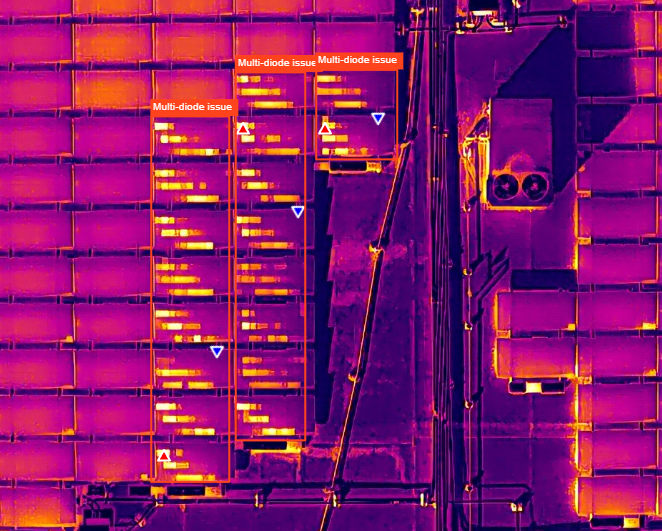
One of the fastest ways to strengthen your positioning as a thermal professional is to communicate the difference between thermal pictures and radiometric thermal data. Radiometric files preserve temperature information per pixel, which enables post-processing verification, quantified deltas, and consistent classification logic. When stakeholders question severity, radiometric workflows let you show measurement-based support rather than a subjective impression based on palette and contrast.
This is also why flight planning matters in aerial thermography. Altitude, angle, and speed change what the sensor can resolve. If the goal is anomaly identification at a module or substring level, you need the right ground sampling distance and stable capture geometry. The report should reflect that discipline by showing acquisition intent, not just results.
For a deeper review of common PV fault signatures and thermographic interpretation challenges in operating modules, see this peer-reviewed review: Renewable & Sustainable Energy Reviews (2016).
How professional reporting becomes actionable
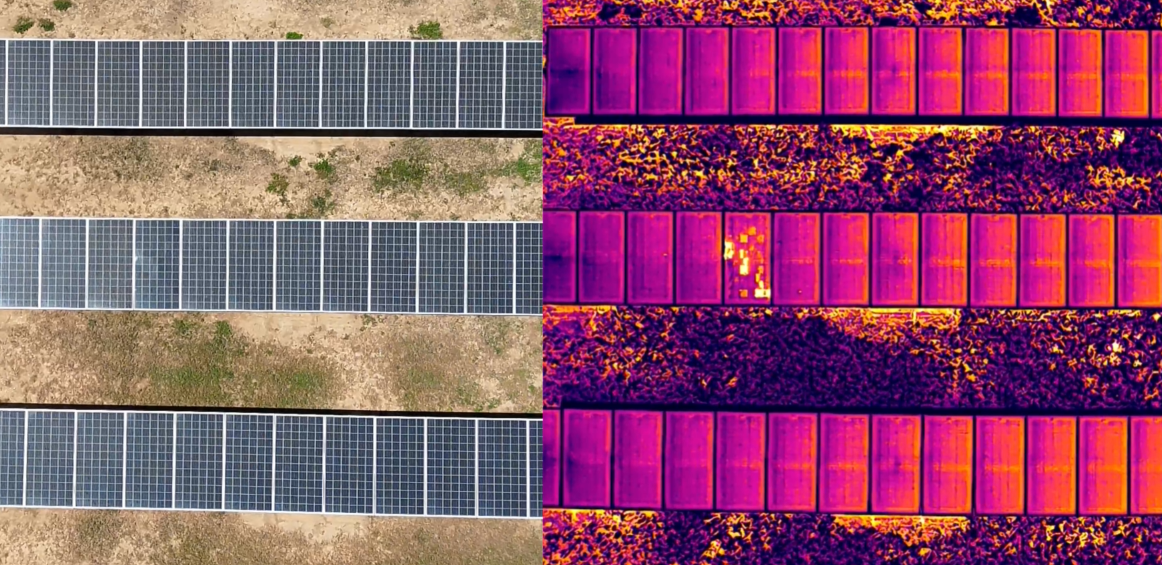
Operators don’t just want to know that anomalies exist. They need counts, location context, severity logic, and response timelines. A strong report ties findings to site geography so maintenance teams can locate the exact module without interpretation. That means mapping, labeling, and pairing thermal imagery with visible context. It also means using an explainable classification approach so a decision maker can understand why one anomaly is “monitor” and another is “urgent.”
This is where standards-backed thermography becomes a professional service category of its own. Anyone can fly over panels and collect images. A thermal professional produces a defensible inspection record that supports operational decisions, documentation needs, and repeat monitoring. The market rewards clarity and repeatability because those are the properties that reduce risk.
Related frameworks that strengthen credibility
IEC 62446-3 is solar-specific, but thermography professionalism is reinforced by broader qualification and documentation frameworks. ISO 18436-7 defines qualification and assessment requirements for personnel performing condition monitoring using infrared thermography. If you want to position as a thermal professional, competency language matters because your work will be reviewed by technical stakeholders who care about method and repeatability.
ASTM E1934 further reinforces what should be included when documenting qualitative and quantitative infrared examinations of electrical and mechanical systems. And NFPA 70B has increased visibility around thermal inspection within electrical equipment maintenance programs, which overlaps with PV environments because arrays connect into electrical infrastructure where overheating and failure can become safety issues.
References
- IEC. IEC TS 62446-3:2017, Photovoltaic systems – Requirements for testing, documentation and maintenance – Part 3: Infrared thermography of photovoltaic modules and plants. https://webstore.iec.ch/en/publication/28628
- ISO. ISO 18436-7:2014, Condition monitoring and diagnostics of machines – Requirements for qualification and assessment of personnel – Part 7: Thermography. https://www.iso.org/standard/61417.html (ISO page, public summary)
- ASTM. ASTM E1934, Standard Guide for Examining Electrical and Mechanical Equipment with Infrared Thermography. https://www.astm.org/e1934-99ar18.html
- NFPA. NFPA 70B Standard Development page. https://www.nfpa.org/codes-and-standards/nfpa-70b-standard-development/70b
- Tsanakas, J. A., Ha, L., & Buerhop, C. (2016). Faults and infrared thermographic diagnosis in operating c-Si photovoltaic modules: A review of research and future challenges. Renewable and Sustainable Energy Reviews, 62, 695–709. DOI: https://doi.org/10.1016/j.rser.2016.04.079 | ScienceDirect: https://www.sciencedirect.com/science/article/pii/S1364032116301629
- Google Scholar search for the above review (stable lookup): https://scholar.google.com/scholar?q=10.1016/j.rser.2016.04.079
- Google Scholar search (general): infrared thermography photovoltaic inspection: https://scholar.google.com/scholar?q=infrared+thermography+photovoltaic+inspection+drone
Need standards-based thermal reporting for your PV asset
SterFlies supports solar operators and stakeholders with radiometric thermal surveys and reporting workflows built for clarity, repeatability, and defensibility. If the findings matter, the method matters.