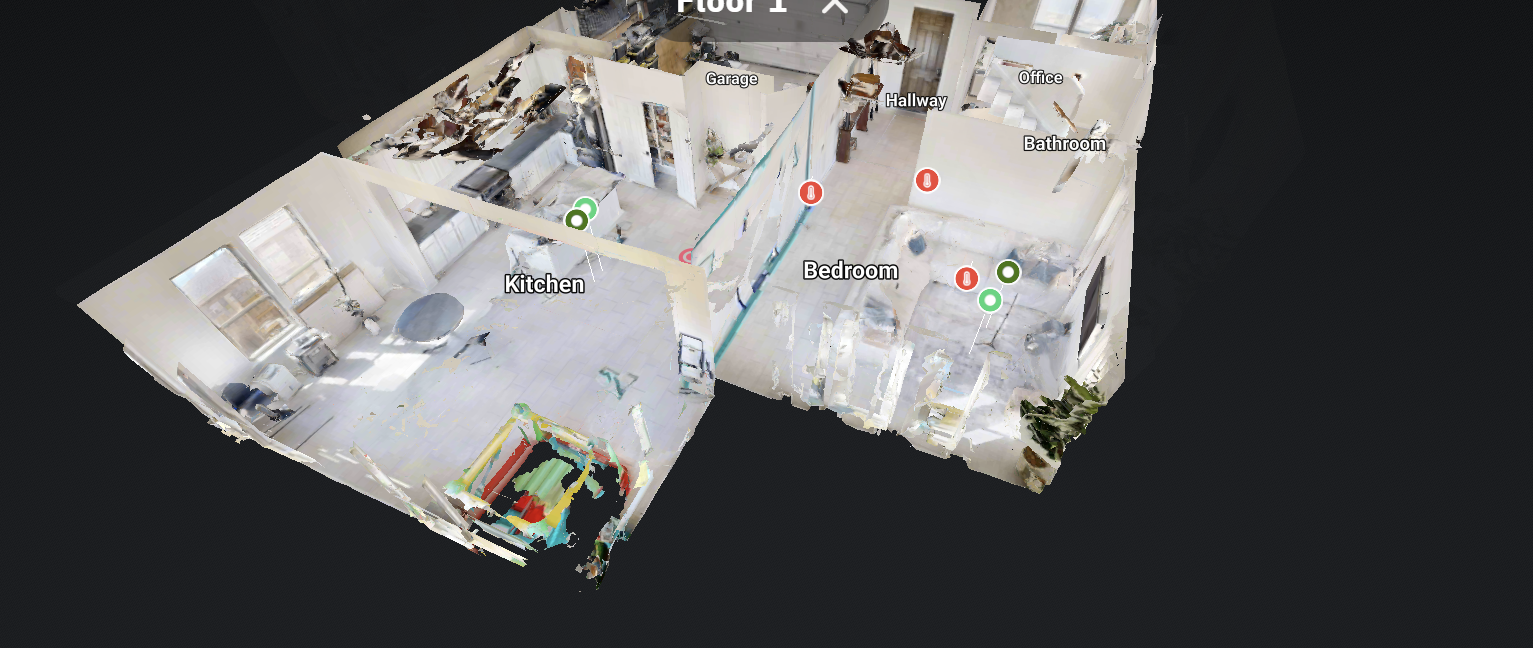
Why Site Conditions Should Be Documented Before They Are Altered
A Visual Context Layer for Industrial Hygiene and Environmental Reporting
By Jerome Sterling
In industrial hygiene and environmental consulting work, timing and context are often underestimated risks.
Once remediation, cleanup, repairs, material removal, or other site-altering activities begin, original site conditions are permanently changed. Spatial relationships shift, surfaces are disturbed, and the visual context surrounding sampling locations can no longer be revisited. When questions arise later during reporting, review, or legal scrutiny, the opportunity to reference original conditions is often no longer available.
This is where forensic site documentation plays a supporting role.
The Risk of After-the-Fact Documentation
Environmental and industrial hygiene projects often rely on documentation captured after portions of the work have already begun. While this may be sufficient for progress tracking, it can be limiting when objective reference is required later.
Once site conditions change, sampling locations become harder to visualize, relationships between affected and unaffected areas lose clarity, and environmental context surrounding data points is reduced. At that stage, documentation reflects only what remains rather than the conditions under which data was collected.
Documentation captured after alteration reflects what remains, not what existed at the time of assessment.
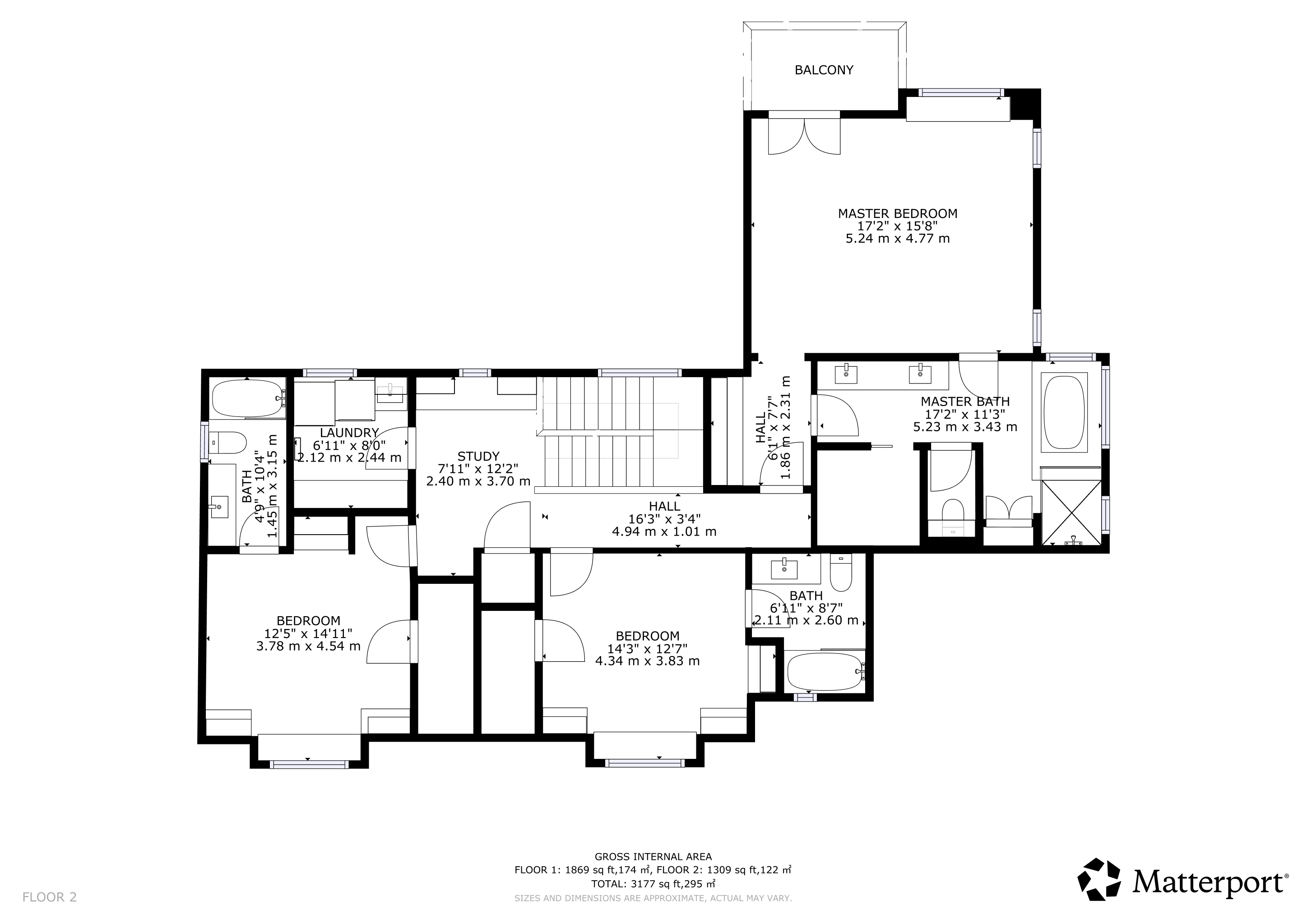
What Forensic Site Documentation Is and What It Is Not
Forensic site documentation is the process of preserving site conditions as they exist at a specific moment in time, prior to physical alteration.
It is designed to preserve visual and spatial context, record layout and conditions objectively, and provide a reference that remains usable after site changes occur. It is not inspection, sampling, analysis, or interpretation. It does not replace the role of the industrial hygienist or environmental consultant.
Instead, it provides a neutral, third-party visual and spatial record that supports professional findings and reporting.
Why Visual and Spatial Context Matters for Data-Based Reporting
In industrial hygiene and environmental assessments, individual data points are most useful when reviewed in relation to their surroundings.
Without preserved visual and spatial context, sampling locations lose long-term clarity, area-to-area relationships become harder to demonstrate, and exposure pathways are less intuitive to reviewers. As a result, findings rely more heavily on written description alone.
Forensic site documentation preserves the environment in which data was collected, allowing findings to be reviewed in context without adding interpretation.
When Early Documentation Is Most Valuable
Forensic site documentation is most effective when performed before remediation, cleanup, repairs, or material removal begin; before access to the site becomes restricted; and before conditions change in ways that cannot be reversed. It is also valuable prior to reporting, peer review, or third-party evaluation.
In many cases, early documentation is never needed again. When it is needed, however, it cannot be recreated.
Once original site conditions are altered, they cannot be fully reconstructed.
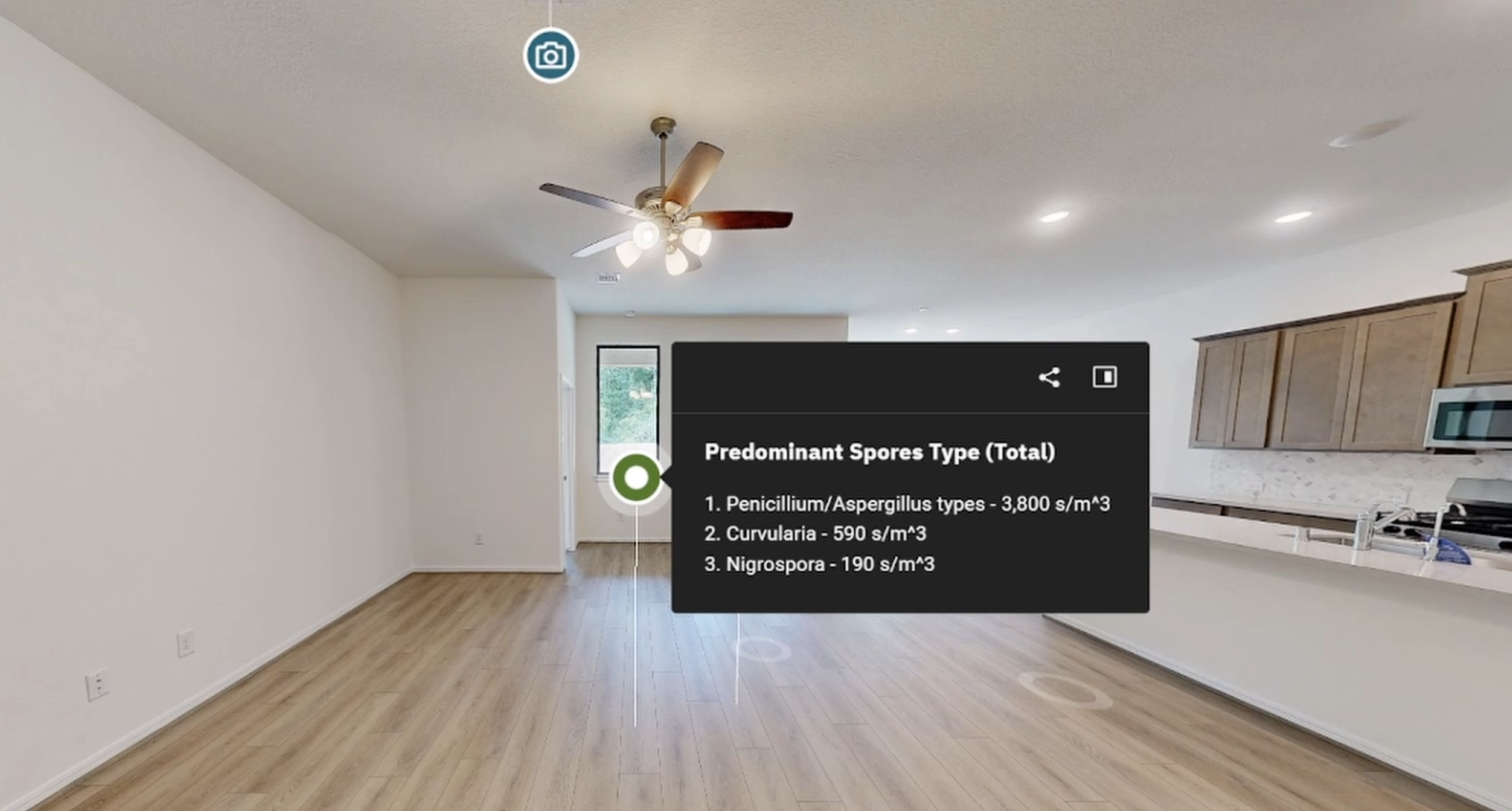
A Neutral, Supporting Role by Design
Forensic site documentation is intentionally limited in scope. The role focuses on objective capture, accurate preservation, and organized delivery of visual and spatial records. Interpretation, analysis, regulatory assessment, and conclusions remain the responsibility of the industrial hygienist or environmental professional.
This separation ensures documentation remains objective, consistent, and appropriate for professional use.
Final Thought
Forensic site documentation is not about proving conclusions. It is about preserving context. When site conditions change, visual and spatial records remain, supporting the work of professionals responsible for collecting data and drawing conclusions.