Experts are asked to solve problems that photographs do not describe
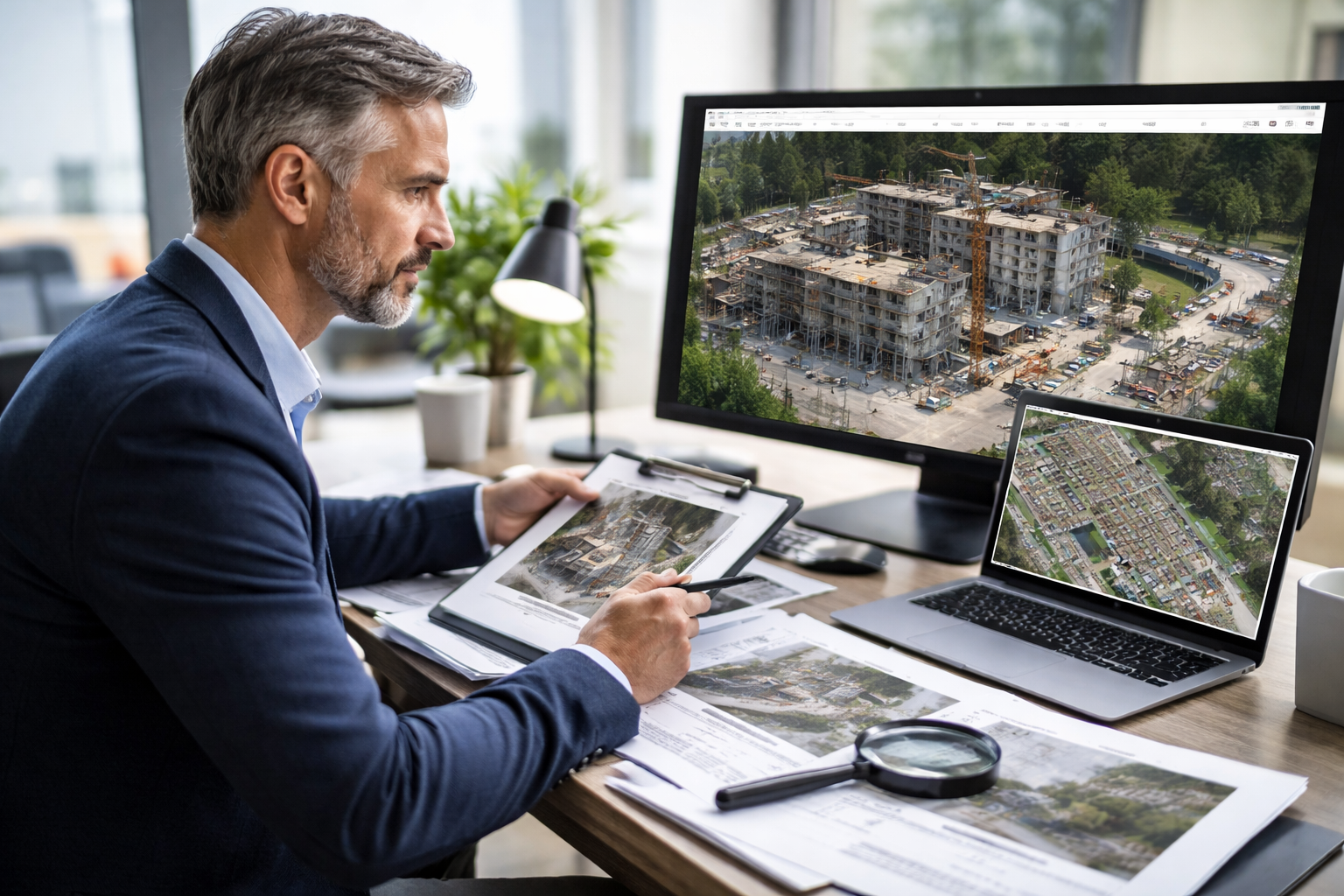
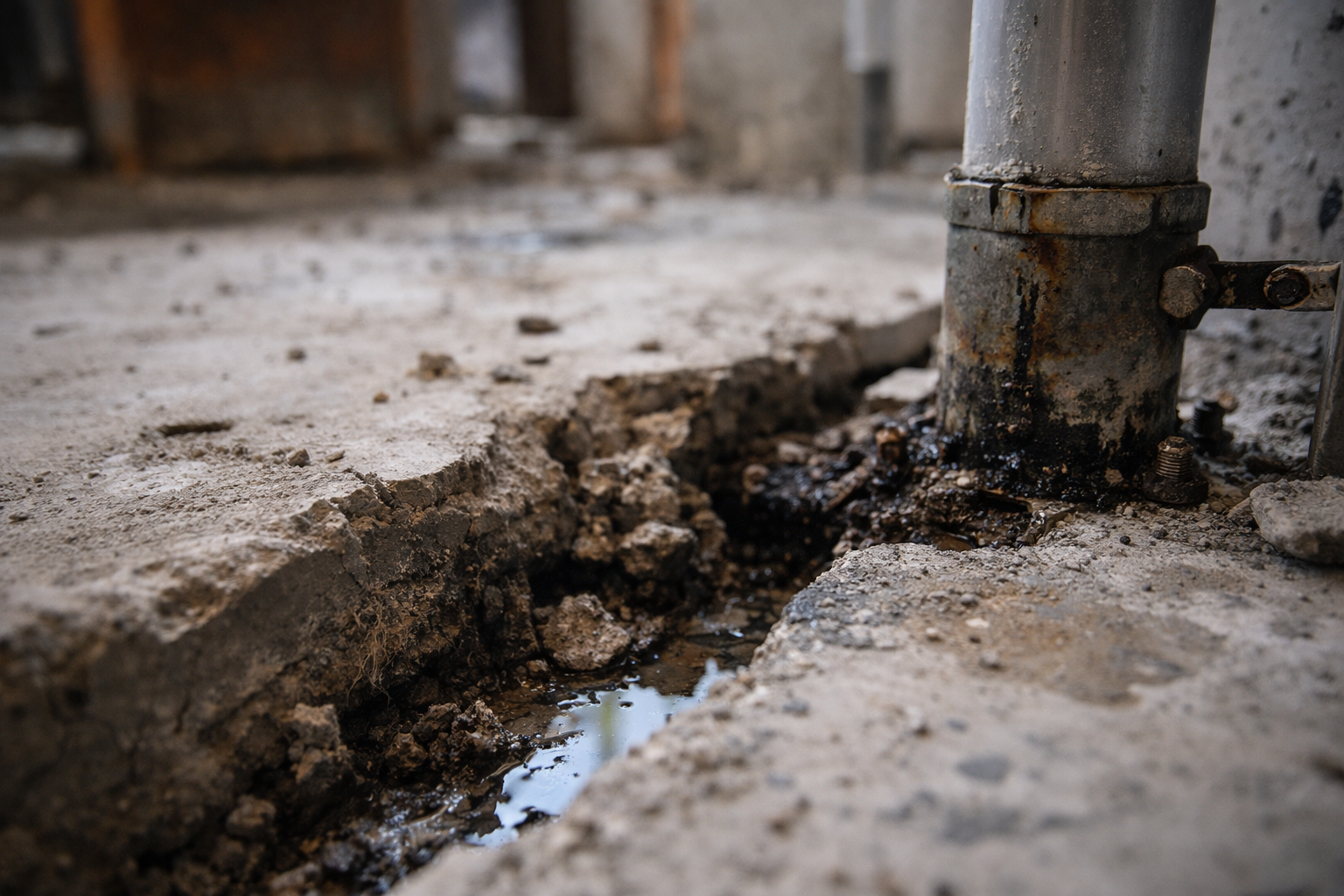
When counsel retains an expert, the questions are rarely limited to what a single photo shows. Experts are asked to evaluate pathway and mechanism. How did moisture travel. How did drainage interact with slope. How did a condition develop over time. How did access, clearance, placement, and sequence influence what was possible. A photograph may show one artifact of the site, but disputes revolve around system behavior.
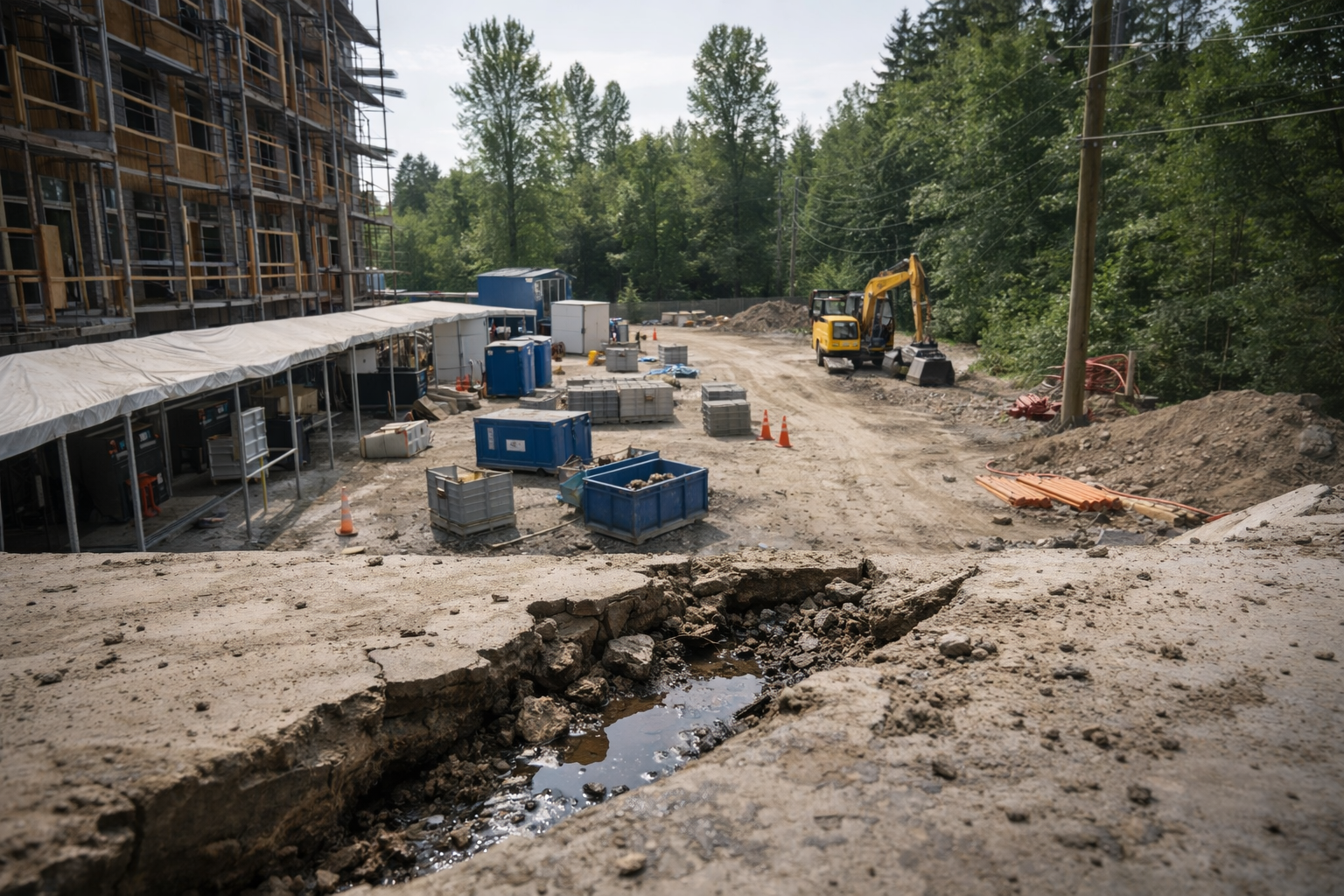
In practice, experts spend time reconstructing context before they can even begin analysis. They build a mental model of the site from fragments. They ask where the photo was taken, which direction it faces, what is off frame, what is above and below, and what changed after the event. When those questions cannot be answered confidently, technical opinion becomes more vulnerable to alternate interpretations.
The core problem is not image quality. It is missing orientation
Many evidence packages contain high resolution images. That detail is helpful, but detail does not solve orientation. A photo can be perfectly exposed and still be unusable for analysis if the expert cannot place it within the overall environment. Orientation is the foundation of defensible explanation because orientation is what makes a condition verifiable.
Once orientation is missing, everything becomes interpretive. Distances become assumptions. Angles become subjective. The relationship between features becomes debate. Even when both sides have honest experts, honest experts can disagree when the record forces them to infer the environment rather than observe it.
Why partial documentation increases expert time and increases litigation cost
Experts do not just review. They confirm. They compare. They test whether a narrative fits the physical environment. When the record is thin, experts compensate by requesting more information, requesting additional site access, or requesting additional discovery to fill gaps. That extra work is not always visible on the front end, but it shows up in cost, schedule, and friction.
A stronger record reduces the number of times a case has to revisit basic questions. Where was this observed. How far is it from that transition. What else is adjacent. What is above, below, or behind the photographed surface. When those questions are answered by the documentation itself, expert work becomes more focused, faster to communicate, and harder to derail.
What a litigation ready record gives an expert that photos cannot
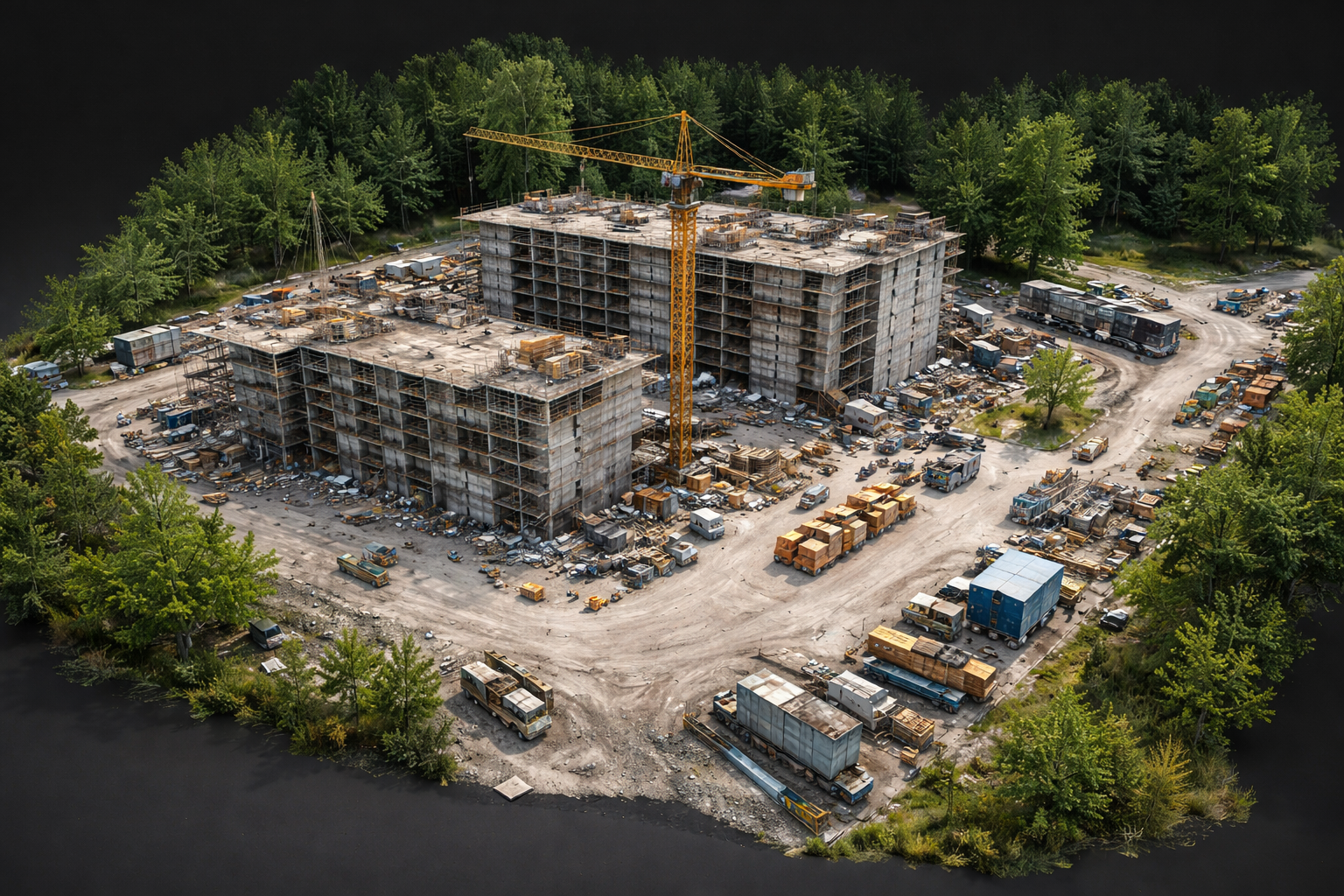
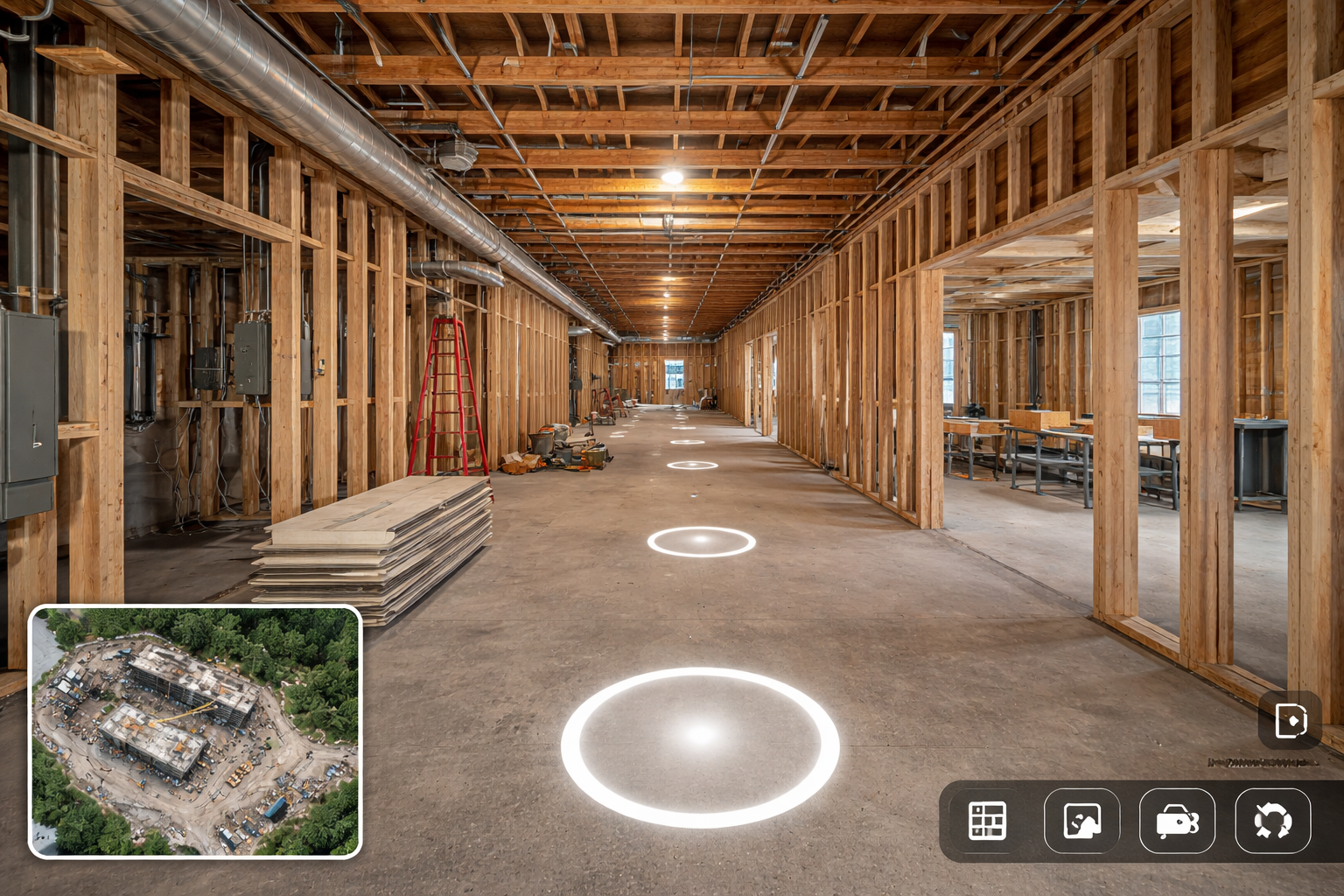
The most valuable improvement is continuity. A spatially accurate record allows an expert to move from broad context into fine detail without losing their place. Aerial mapping can preserve the site level story. Interior scanning can preserve room level geometry and layout. Together they create a dataset that can be revisited without relying on memory or on a selective set of angles.
This continuity changes the nature of an expert opinion. Instead of anchoring conclusions to isolated photos, the expert can anchor conclusions to verifiable relationships inside a preserved environment. That does not guarantee agreement between parties, but it narrows the space where disagreement can hide. It forces the discussion back toward the environment that existed, not the environment each side imagines.
Defensibility improves when the record is repeatable and explainable
In high friction disputes, opposing narratives do not just challenge the conclusion. They challenge the foundation. They ask whether a condition was captured accurately, whether it was preserved, and whether it can be explained clearly. A repeatable documentation workflow reduces vulnerability because the story stays consistent. What was captured, when it was captured, where it was captured, and how it was handled should be explainable without improvisation.
If you want the litigation focused framework for traceability and defensibility, you can also read Chain of Custody for Digital Site Documentation. A strong record is not only informative. It is stable under pressure.
The strongest expert work begins with a stronger site record
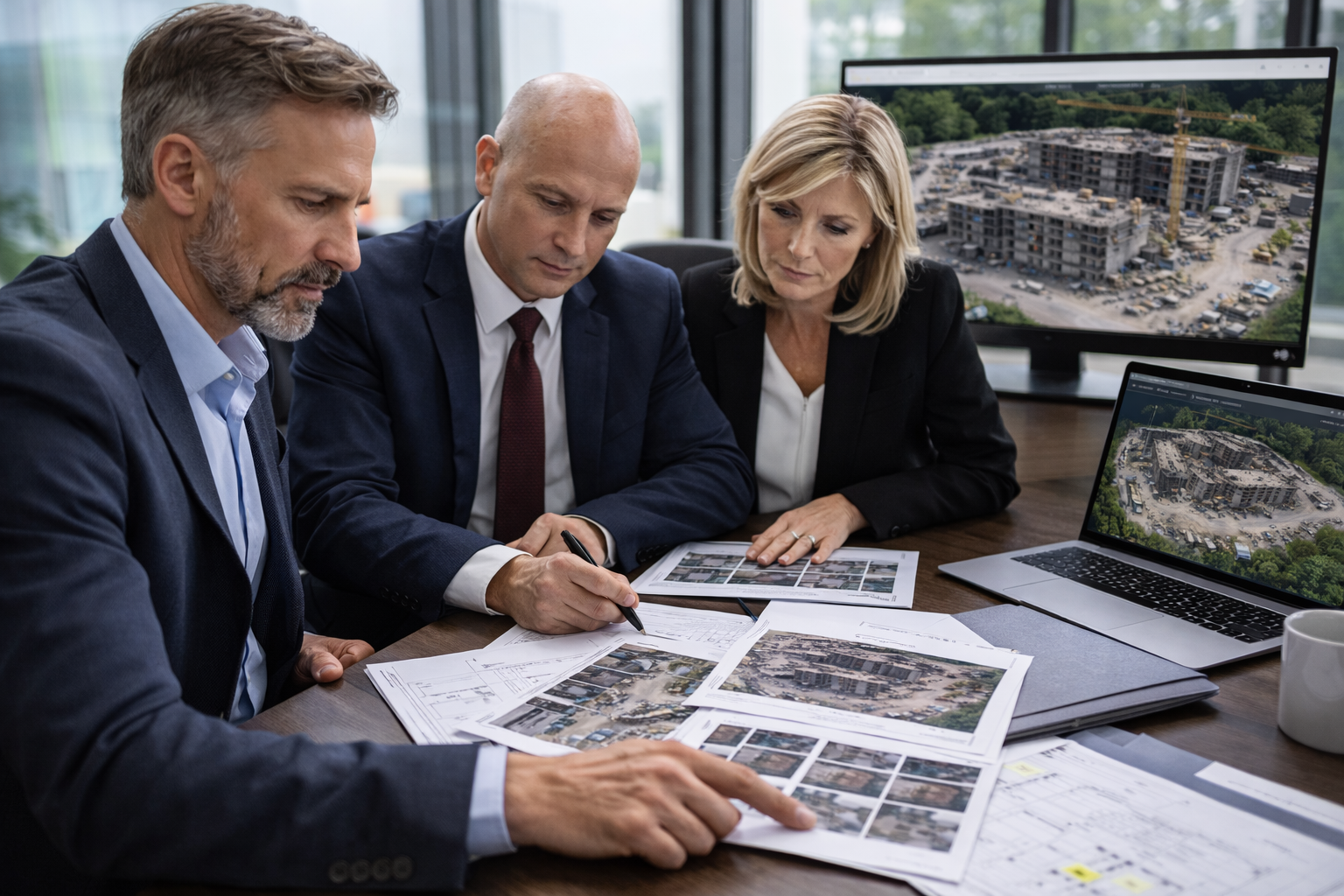
Most cases do not fail because the expert is unqualified. Many cases weaken because the record is incomplete. When the site has already changed, a partial record cannot be repaired. It can only be supplemented with inference, and inference is where opposing narratives expand.
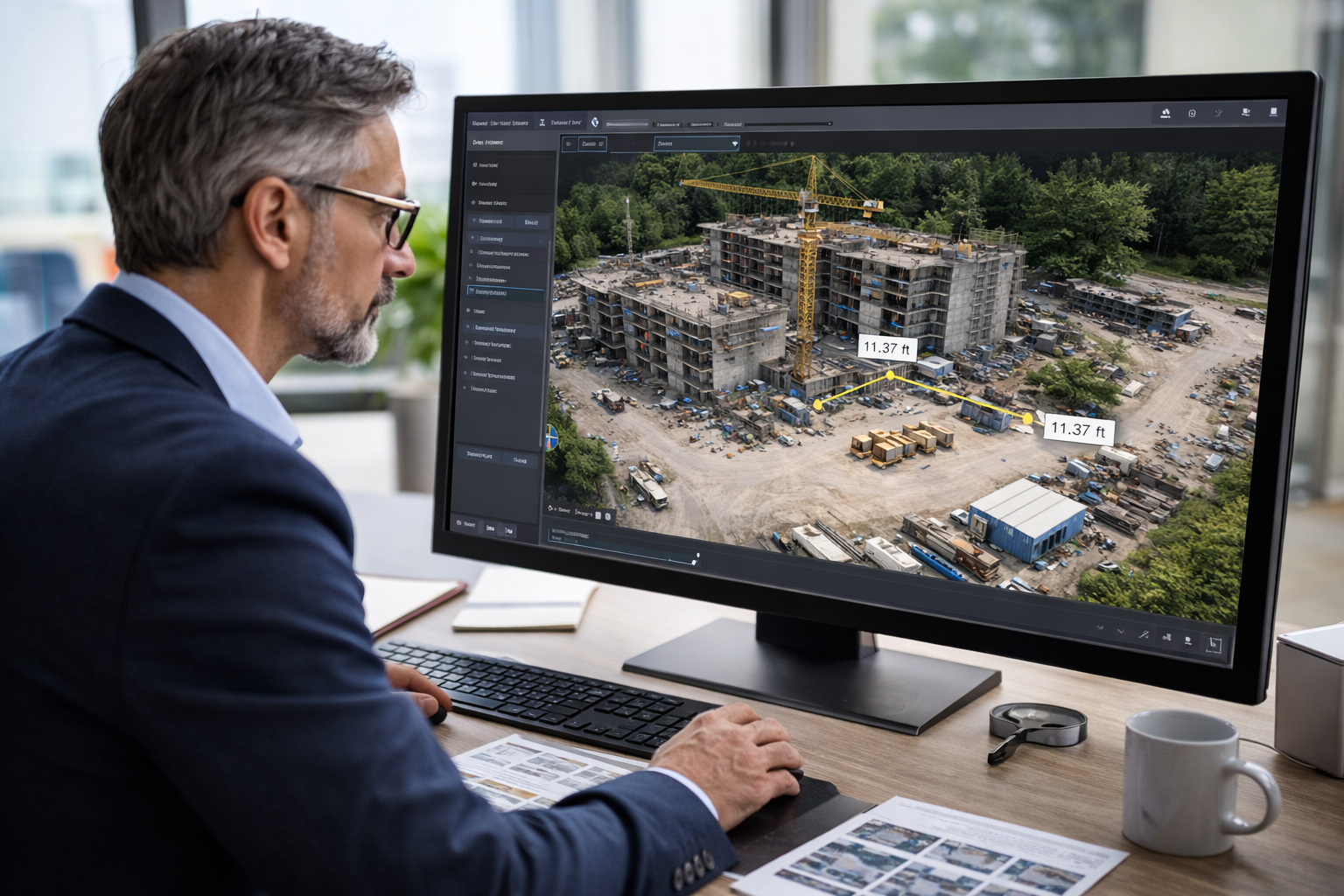
A litigation ready site record improves expert analysis by preserving orientation, scale, and relationship. It lowers the cost of reconstructing context. It shortens the time required to understand the environment. It strengthens the ability to communicate conclusions clearly. Most importantly, it reduces the number of questions that can never be answered because the site is no longer there to answer them.
If you want the earlier warning that applies to many disputes, you can also read You Don’t Think You Need Site Documentation Until the Investigation Starts. The moment an investigation begins is often the moment the original site disappears.
Want your experts to analyze the site without guessing
SterFlies creates reality based site documentation that preserves spatial context for litigation support, expert workflows, and clearer case strategy.