

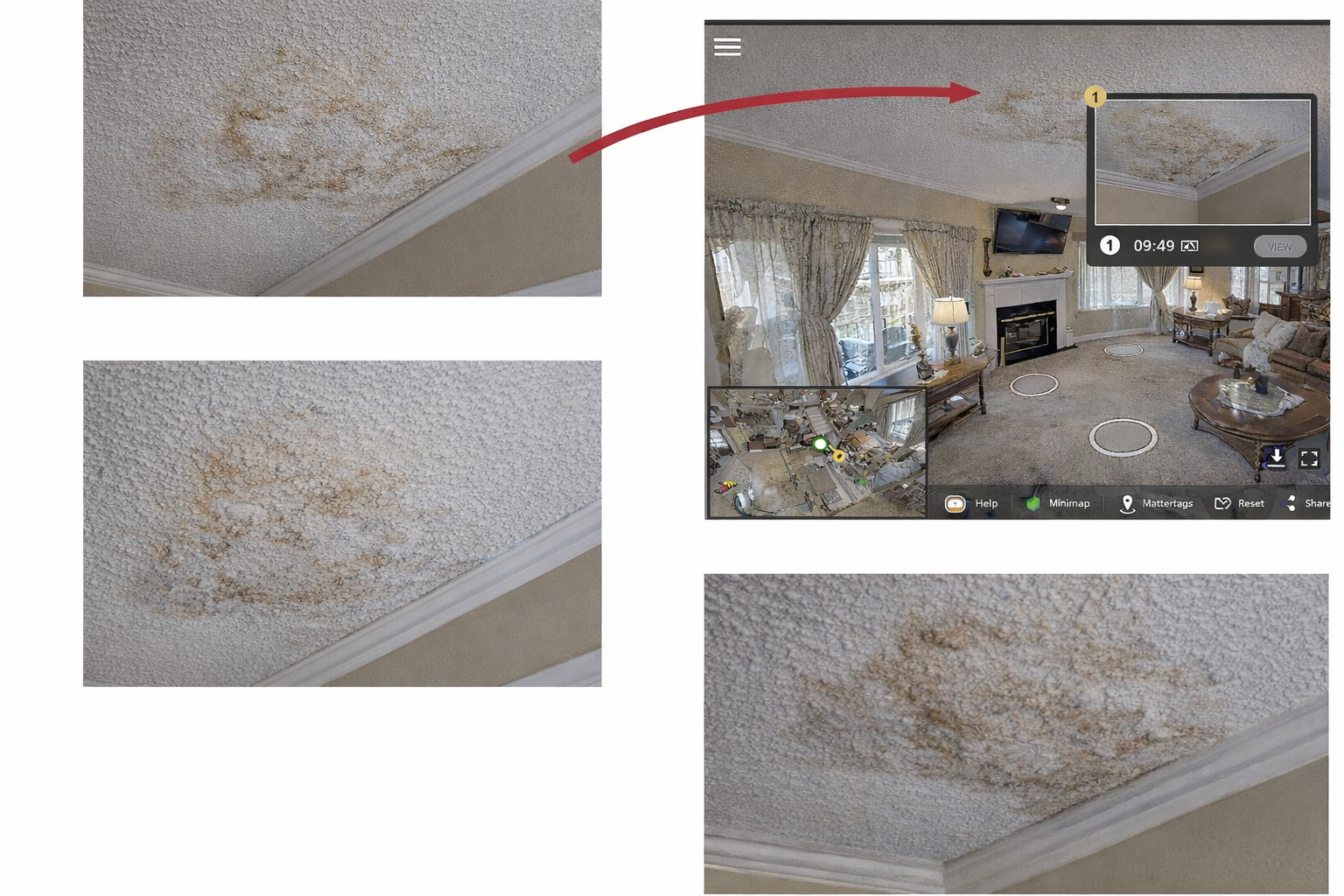
The question that always comes too late
When investigations begin, a predictable set of questions emerges. What did the site look like before the incident. Where exactly was the condition located. What existed nearby that may have contributed. How did spatial relationships influence exposure, access, or task performance.
These questions are not abstract. They are fundamental to root cause analysis, exposure assessment, and defensible decision making. Yet they are often asked after conditions have been altered through cleanup, repair, remediation, or operational continuity.
At that moment, safety teams realize they did not need documentation after the incident. They needed it before.
Why documentation is treated as secondary in safety programs
Most safety programs prioritize active risk controls. Engineering changes, administrative procedures, training, and protective equipment receive immediate attention because they directly reduce the likelihood of harm. Documentation, by contrast, is often categorized as supportive rather than preventive.
This is reinforced by workload realities. Safety professionals manage inspections, audits, training programs, regulatory reporting, and incident response simultaneously. Capturing comprehensive site conditions for scenarios that may never occur can feel difficult to justify.
The prevailing assumption becomes simple. If we need it, we will document it then. From a safety science perspective, this assumption introduces latent risk.
Investigations rarely fail because of missing information
Contrary to common belief, most investigations are not undermined by a lack of information. Photographs are taken. Reports are written. Sampling is performed. Statements are collected. The volume of content can be substantial.
What is missing is contextual integrity. Spatial context determines how hazards interact. Distance, orientation, elevation, adjacency, and accessibility all influence exposure pathways and human behavior. Without preserved spatial context, investigators are forced to reconstruct conditions indirectly.
Guidance from NIOSH emphasizes the importance of understanding work as a system, not as isolated observations. A system cannot be fully understood through fragments alone. It requires an accurate representation of how elements coexist in space. See Reference 2.
What changes the moment an investigation begins
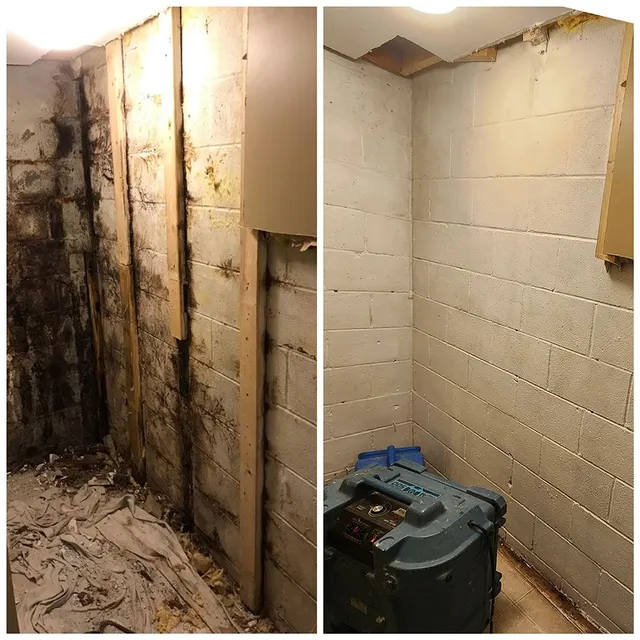
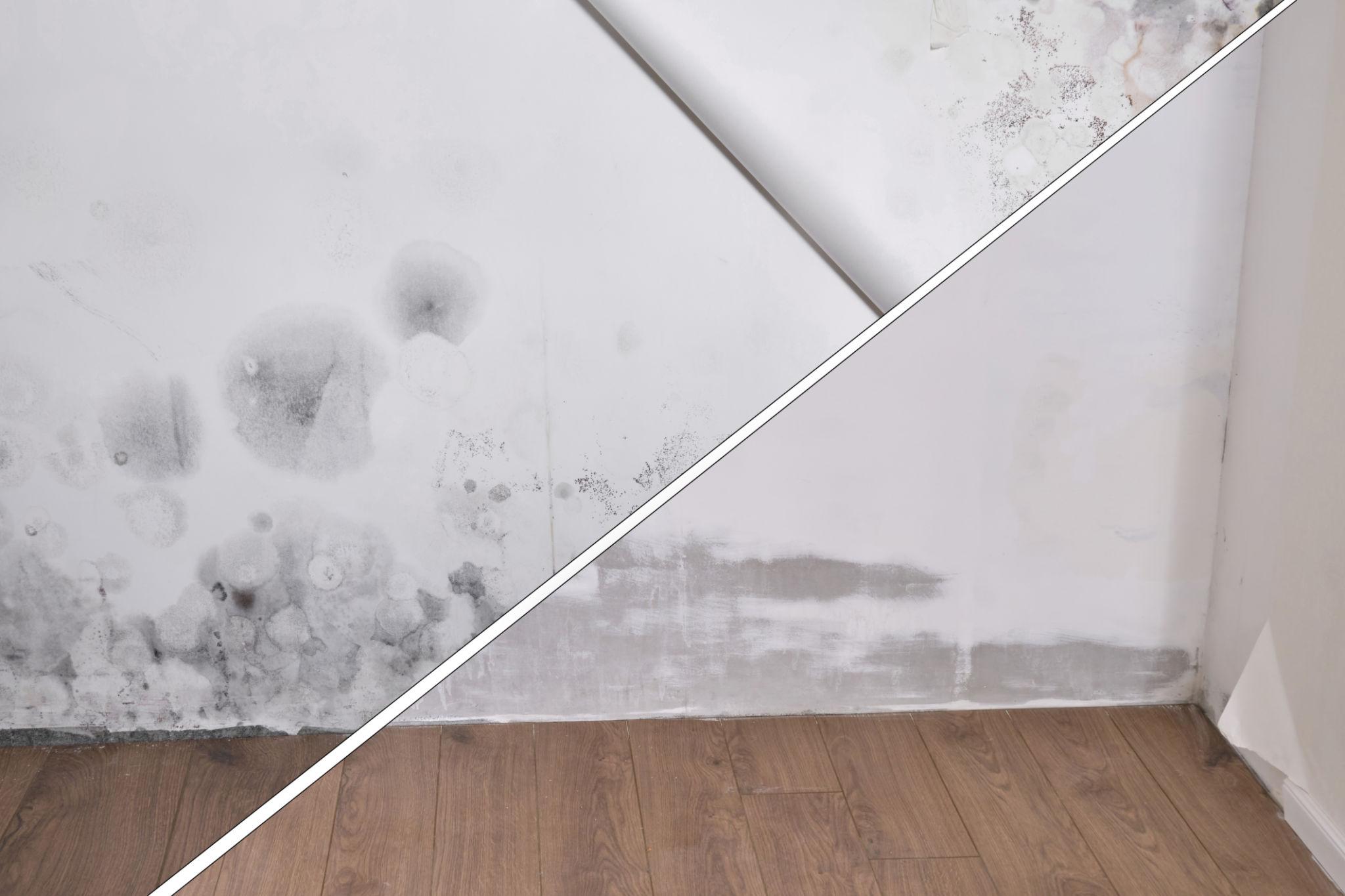
The start of an investigation often marks the end of the original site. Once an incident is identified, safety driven actions take priority. Areas are secured. Hazards are mitigated. Damaged materials are removed. Remediation begins. Access routes change. Temporary controls are installed.
These actions are appropriate and often necessary. They also permanently alter the physical reality investigators are trying to understand. OSHA accident investigation guidance emphasizes the value of documenting conditions as close to the event as possible, because accuracy declines as conditions evolve. See Reference 1.
When documentation occurs after conditions have changed, conclusions rely more heavily on inference than observation. Inference introduces uncertainty.
Human factors and the limits of post incident memory
Even when documentation exists, investigations rely heavily on human recollection. Decades of human factors research demonstrate that memory is reconstructive. After an incident, individuals unconsciously reinterpret events based on outcomes, discussions, and new information. This is a known contributor to hindsight bias.
Safety professionals are not immune to this effect. Training does not remove cognitive bias. It only mitigates it. This is why safety and human error literature emphasizes objective records that are captured before narratives harden. See Reference 5.
A preserved site record provides a reference point that is not influenced by outcome knowledge or evolving interpretation.
Latent conditions are often spatial in nature
One of the most influential frameworks in safety science describes how incidents emerge from underlying weaknesses that exist within a system long before an event occurs. This perspective is strongly associated with the work of James Reason. See Reference 3.
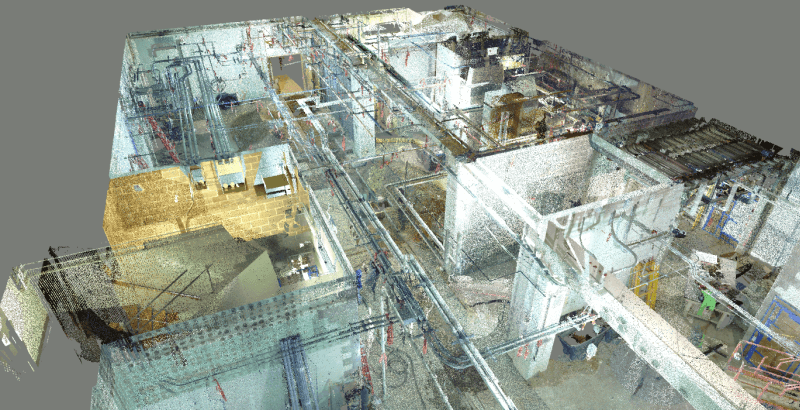
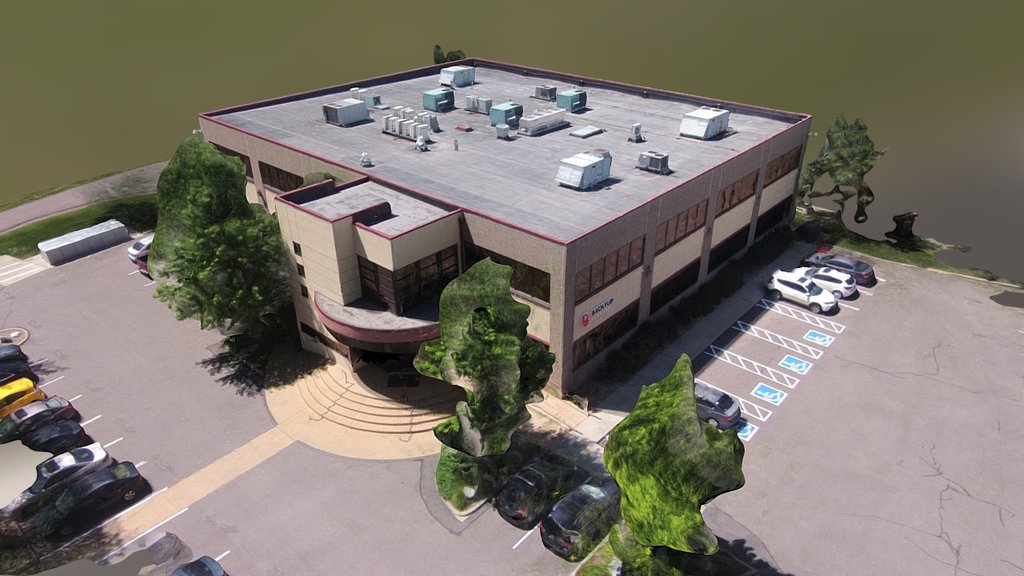
Many of these latent conditions are spatial. Equipment placed too close to walkways. Temporary structures installed near permanent systems. Drainage paths intersecting with occupied spaces. Access routes crossing hazard zones. Without a preserved spatial record, these relationships are often recognized only after an incident, when physical evidence may already be altered or removed.
Why documentation after the fact is structurally incomplete
When documentation begins after an incident, it is shaped by the investigation itself. Investigators know the outcome they are analyzing. That knowledge influences what is photographed, measured, or described. Areas that appear unrelated may never be documented, even if they played a role.
This does not reflect poor investigation practice. It reflects how human attention functions under outcome driven analysis. Preserving site conditions before an incident reduces this distortion. It creates a neutral baseline that teams can revisit without filtering the environment through hindsight.
What proactive safety programs do differently
Organizations with mature safety management systems understand that prevention extends beyond controls and procedures. They recognize that preserving reality is a form of risk management. These programs document sites during normal operations. They capture spatial context. They maintain time stamped records that can be reviewed independently of any single event.
This approach aligns with principles in ISO 45001, which emphasizes continual improvement and evidence based decision making. See Reference 4. Documentation becomes part of the system, not a reaction to failure.

Where forensic site documentation fits in safety practice
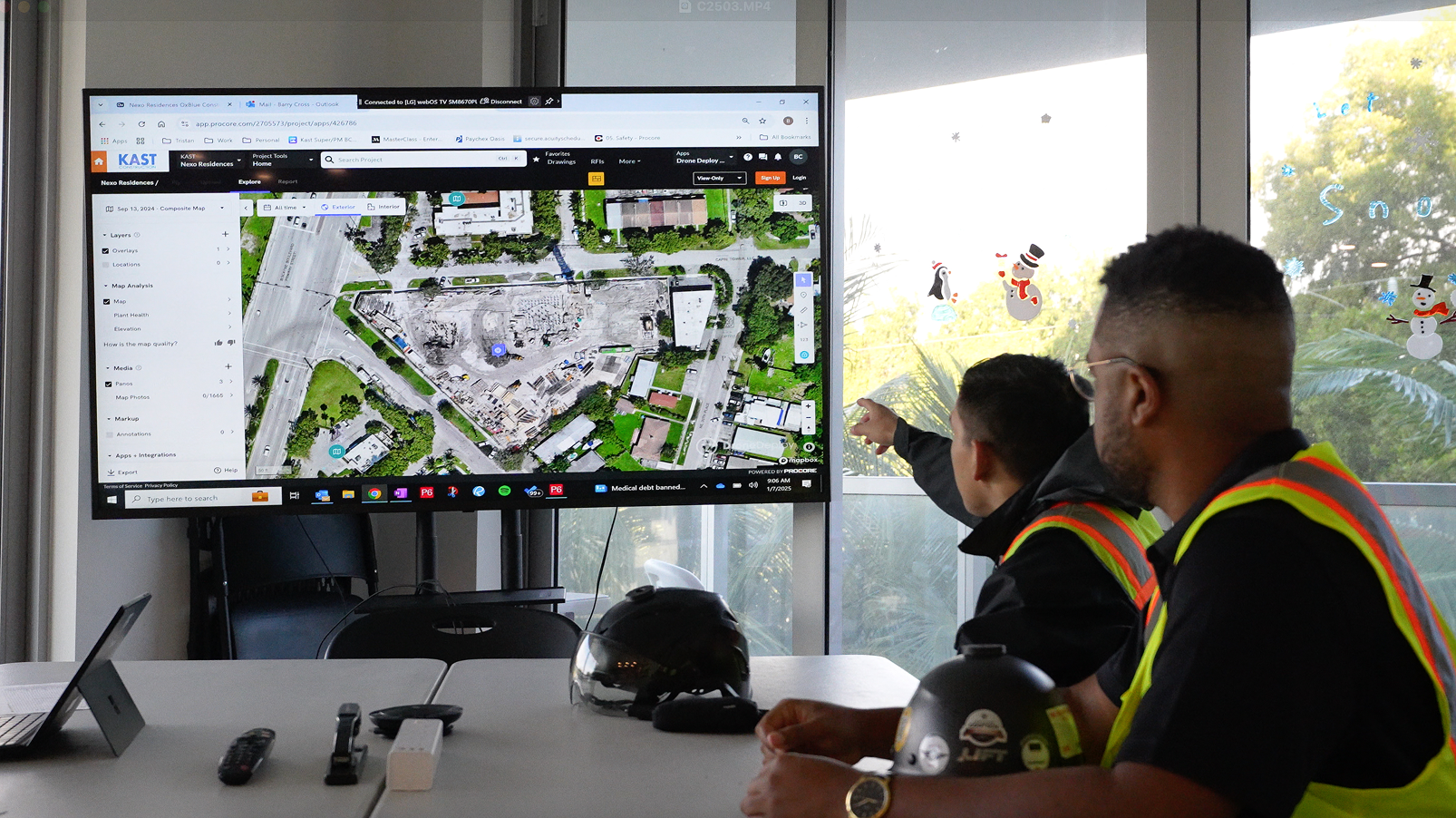
Forensic site documentation does not replace inspections, audits, or exposure assessment. It complements them by preserving spatially accurate records of site conditions. When incidents occur, safety professionals are no longer forced to rely solely on memory, partial photos, or reconstructed narratives. They can return to an objective representation of the site as it existed.
If you want the foundational explanation of this approach, you can also read What Is Forensic Site Documentation.
This capability is not about assigning fault. It is about preserving truth.
The risk that is never scheduled
Incidents are planned for. Investigations are anticipated. Emergency response protocols are practiced. What is rarely scheduled is the loss of context.
Once conditions change, no amount of reporting can recover what was never preserved. The most significant risk is not that an incident will occur. Safety professionals already accept that reality. The greater risk is discovering too late that the ability to understand the incident has been compromised.
By the time an investigation starts, the decision about documentation has already been made. Time made it.
References
The references below are included to support the safety management and human factors concepts discussed in this article.
- OSHA. Accident Investigation. Occupational Safety and Health Administration, United States Department of Labor. osha.gov/accident-investigation
- NIOSH. Safety and Health Management Systems. National Institute for Occupational Safety and Health, Centers for Disease Control and Prevention. cdc.gov/niosh
- Reason J. Human error. Perspectives on latent conditions and organizational defenses, including the Swiss Cheese concept. Journal and book references vary by edition and citation style.
- ISO. ISO 45001 Occupational health and safety management systems. Requirements with guidance for use. International Organization for Standardization. iso.org/iso-45001
- Dekker S. The Field Guide to Understanding Human Error. Human factors perspective on how narratives and hindsight influence interpretation.
Want to preserve site context before conditions change
SterFlies helps safety and risk teams create spatially accurate site records that can be reviewed later for investigations, planning, and defensible decision making.