

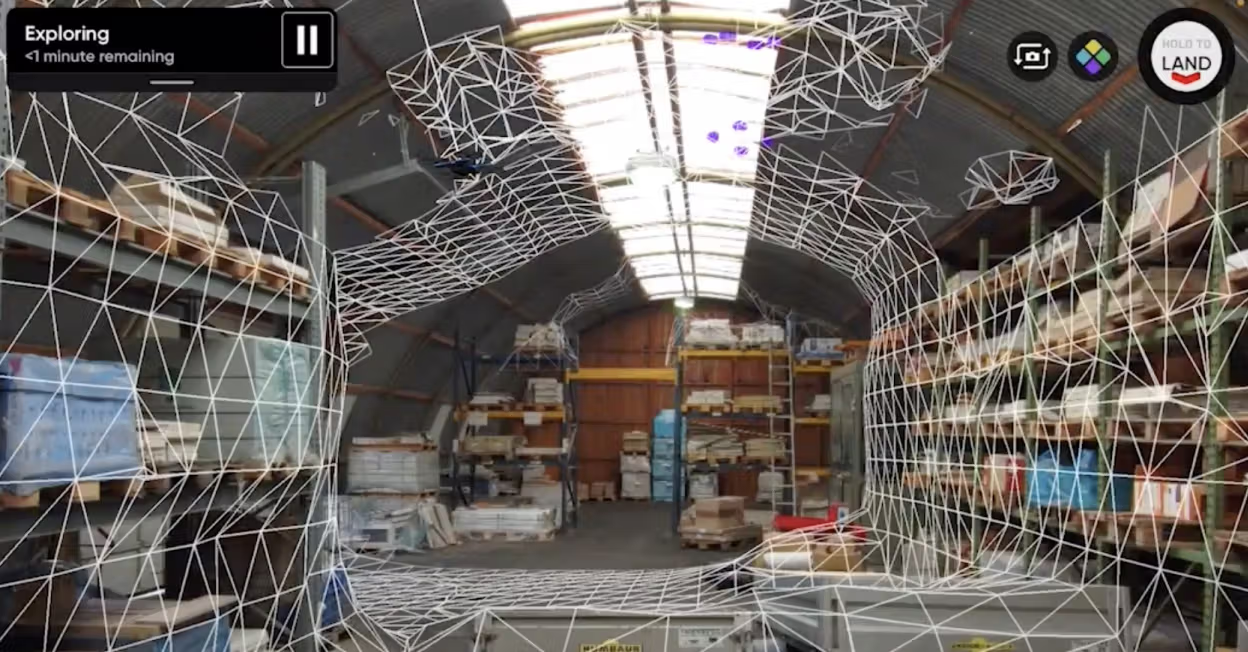
Risk moves faster than the legal timeline
Most disputes involving physical environments begin with uncertainty. People disagree about conditions, sequence, and responsibility. The legal process then tries to reconstruct a reality that may no longer exist. This is the timing mismatch that makes documentation so valuable. Risk happens immediately. Litigation arrives later.
Without a strong record, the case becomes vulnerable to gaps. Missing context invites speculation. Speculation creates competing interpretations. Competing interpretations inflate cost, delay resolution, and weaken confidence in the underlying facts. The goal of thorough documentation is not to win an argument through visuals. The goal is to prevent the argument from shifting into what can never be proven because it was never preserved.
In disputes, visuals are not the point. Provenance is
Litigation is full of photographs and exhibits. The weakness is rarely image quality. The weakness is vulnerability. Who captured this. When was it captured. Where exactly was the viewpoint. Was anything altered. Is there an original. Is there continuity from capture to delivery. Can a neutral party understand the workflow without guessing.
Chain of custody is the mindset that answers those questions before anyone asks them. It is not a single document. It is the way the record is created and handled so the dataset remains stable and explainable. When the opposing side tries to weaken your position by challenging the documentation itself, provenance keeps the conversation anchored.
A defensible record does not require drama. It requires repeatability. The simplest explanation is the strongest one, and it should sound the same every time you say it.
Thorough documentation strengthens case posture in three ways
First, it locks in context. A single photo can show a condition, but it often fails to show relationship. In disputes, relationship is what matters. How features connect. How transitions meet. How slope, elevation, adjacency, and access influence what is plausible. Context makes technical opinions understandable and keeps opposing explanations from drifting.
Second, it stabilizes scale. Many disputes hinge on dimensions, clearance, distance, orientation, and placement. When the site record supports measurement and verification, arguments stop being philosophical. They become geometric. That shift alone can change negotiation dynamics, because both sides are forced to deal with the same reference.
Third, it compresses the timeline of understanding. When attorneys, adjusters, consultants, and retained experts can revisit conditions remotely, the team spends less time reconstructing and more time analyzing. That improves decision speed, clarifies exposure earlier, and supports stronger settlement and mediation posture.
Preservation is what makes documentation litigation grade
There is a difference between creating content and preserving evidence. Evidence requires continuity. The site record should be handled as if it will be questioned later, because it might. Preservation means keeping originals intact, tracking what was delivered, maintaining consistent naming and dates, and avoiding edits that introduce ambiguity.
It also means reducing unnecessary transformations. Heavy filtering, aggressive contrast changes, and undocumented adjustments can invite arguments that distract from the real dispute. When a case is contentious, consistency is often stronger than polish. The documentation should be able to stand on its own without looking like it was pushed to tell a story.
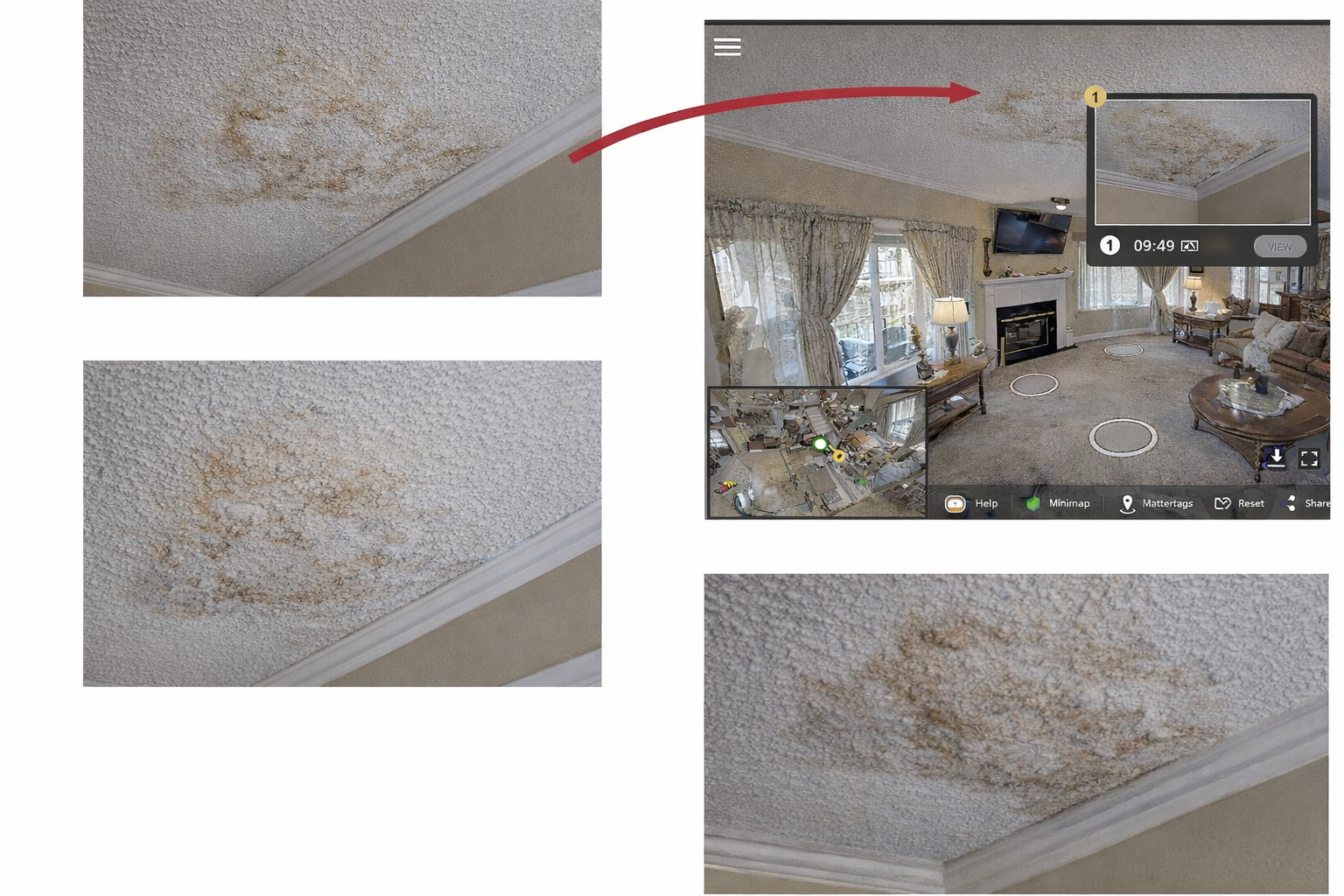

Repeatability is the quiet advantage
The strongest documentation can be explained in one breath. This is what we captured. This is when we captured it. This is where it was captured. This is how it was processed. This is what was delivered. This is what remained unchanged since capture. That kind of clarity reduces friction across legal, insurance, and expert workflows.
Repeatability also supports expert work. Experts do not want to defend a one off workflow. They want to reference a process. When your record follows a consistent method, it becomes easier to incorporate into opinions and harder to dismiss as unreliable or selective. The litigation value is not that it looks impressive. The value is that it stays stable when pressure increases.

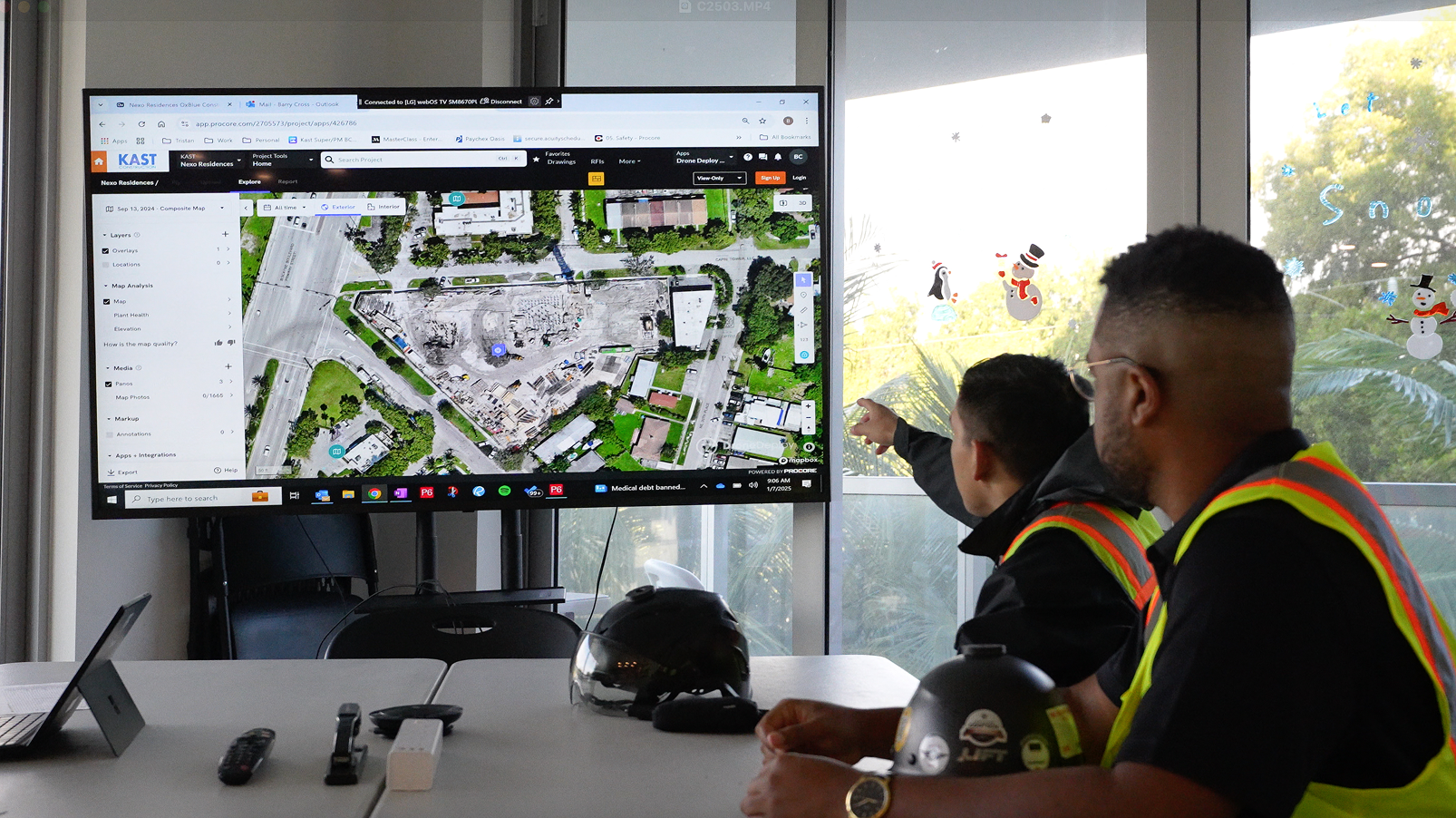
The goal is to preserve the site before the story forms
Disputes rarely start as disputes. They start as confusion. Something feels off. A timeline becomes unclear. People disagree about what was observed and when. Once formal positions harden, the environment is often already changing. That is why the highest leverage moment for documentation is early.
This is not about predicting litigation. It is about controlling risk. If the environment matters, preserving it thoroughly and defensibly protects the integrity of analysis later. It strengthens clarity for expert work. It supports better decisions about exposure. And it reduces the odds that the case becomes an argument about missing context instead of the substance of what actually happened.
If you want another piece that expands on why context matters before an investigation starts, you can also read You Don’t Think You Need Site Documentation Until the Investigation Starts.
References
The references below are included to support core legal concepts related to authentication, preservation expectations, and defensible handling of records.
- Federal Rules of Evidence. Rule 901 Authentication and identification. law.cornell.edu/rules/fre/rule_901
- Federal Rules of Civil Procedure. Rule 37 Failure to preserve electronically stored information. law.cornell.edu/rules/frcp/rule_37
- The Sedona Conference. Commentary on Legal Holds. thesedonaconference.org
Need defensible documentation support for a dispute
SterFlies helps preserve site context through reality based documentation that supports clearer reviews, stronger expert workflows, and more reliable case narratives.