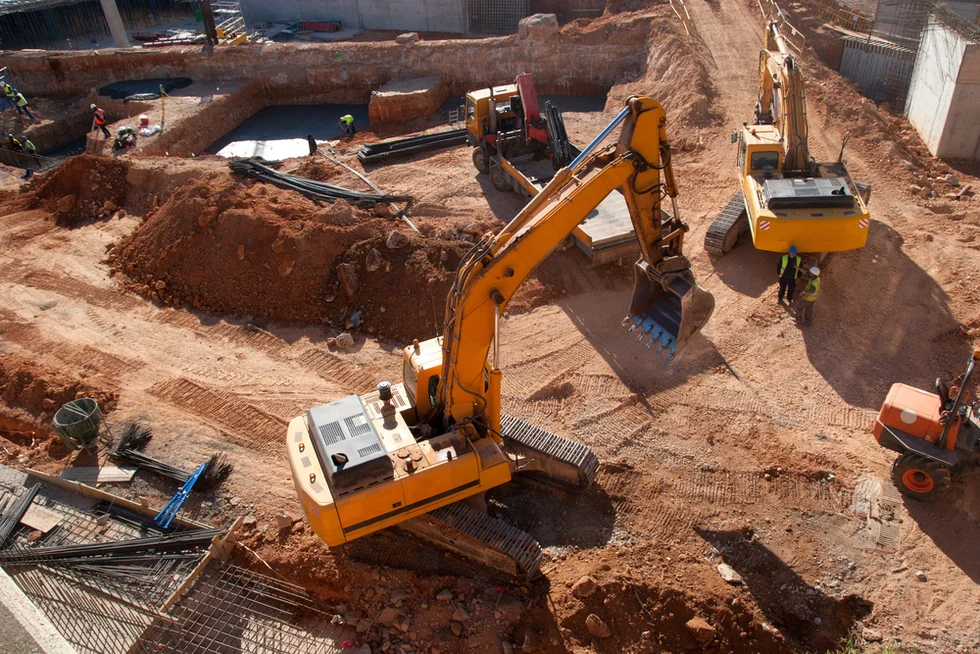
Why Documenting Site Conditions Is Critical for Construction Defect Litigation
Evidence first documentation for construction defect attorneys, mold cases, and building failure claims
By Jerome Sterling
For construction defect attorneys, cases are rarely decided by broad allegations alone. Outcomes often hinge on specific site conditions, how they appeared at a given moment in time, and whether those conditions can be objectively demonstrated months or years later. When site conditions are not documented before they are altered, critical evidence may be lost permanently.
In construction defect litigation, documentation is not merely supplemental. It often determines whether claims can be evaluated clearly, defended effectively, or challenged with confidence.
Construction Defect Claims Are Evidence Driven
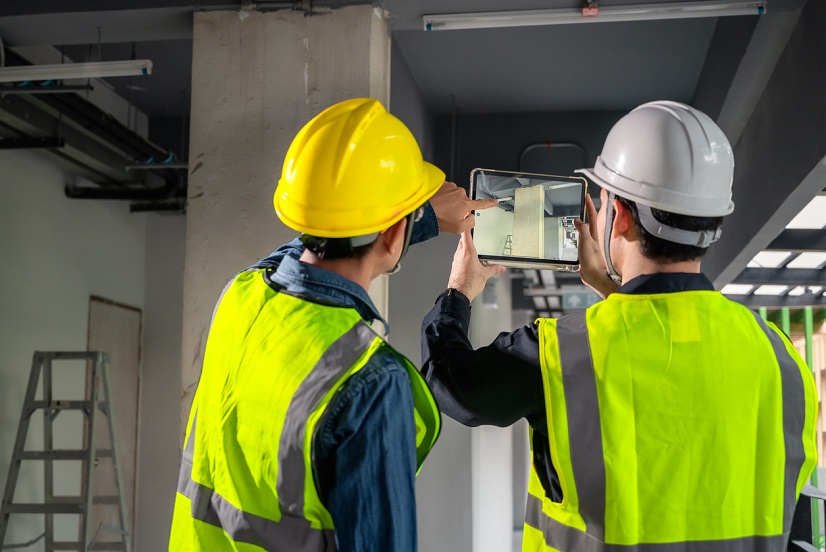
Construction defect claims commonly involve complex interactions between materials, systems, and workmanship. Attorneys routinely handle cases involving water intrusion, building envelope failures, improper flashing, foundation movement, roof defects, structural deficiencies, and mold contamination. These issues are rarely isolated and often require careful evaluation of how components were installed and how they interacted over time.
By the time legal counsel becomes involved, sites are frequently no longer in their original condition. Repairs may already be underway, remediation may have begun, and key materials may have been removed or concealed. Without early documentation, attorneys are left to argue cases where the physical evidence has already changed.
Mold and Water Intrusion Claims Require Early Context
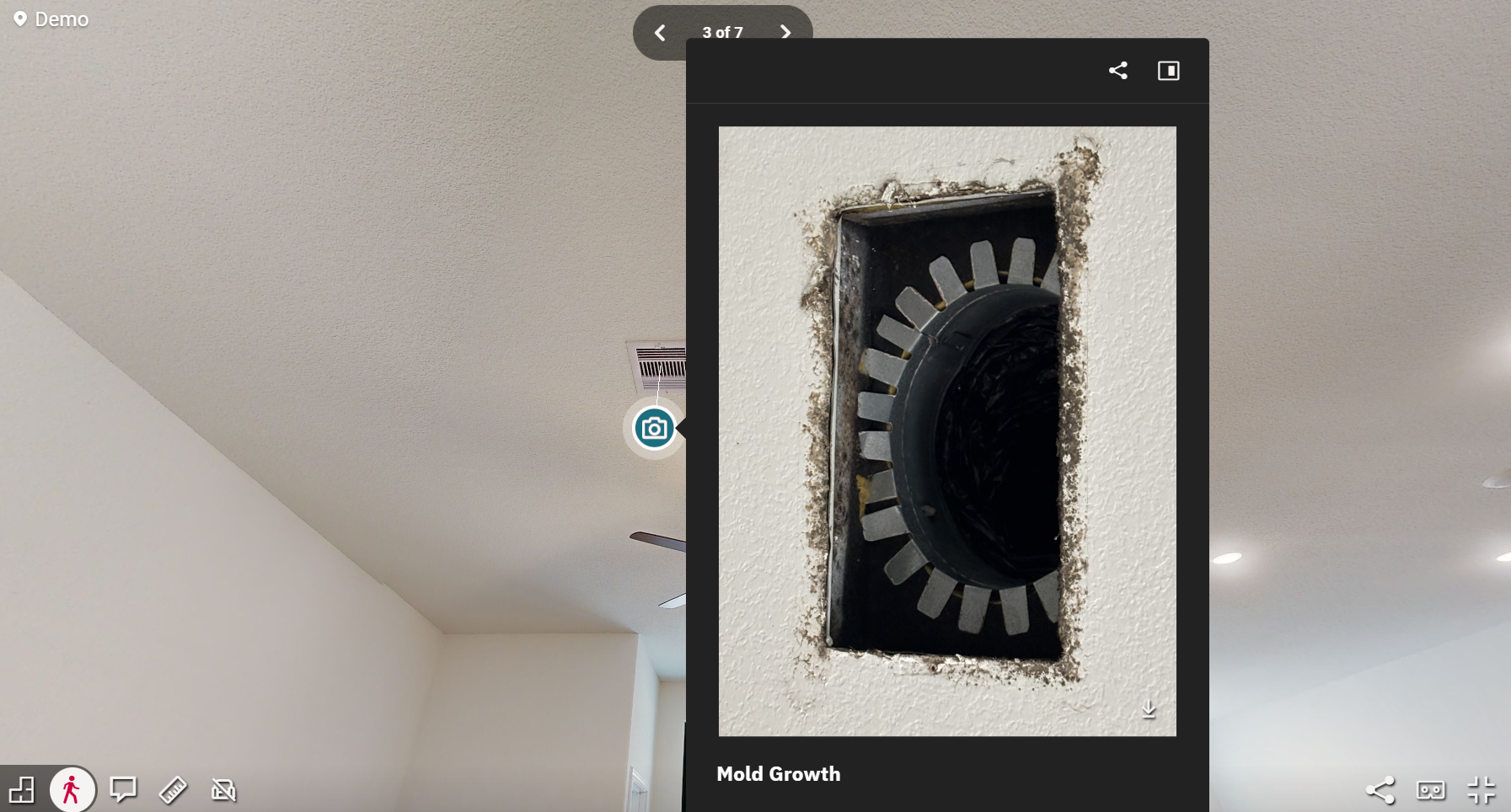
Mold related construction defect cases are particularly sensitive to timing. Mold growth is often the result of prolonged moisture intrusion, envelope failures, improper flashing, or ventilation deficiencies. Once remediation begins, visible mold, moisture staining, and affected materials are removed, fundamentally altering the site.
For attorneys, this creates a challenge. Without documentation captured before remediation, it becomes difficult to demonstrate where moisture intrusion occurred, how far it spread, and which construction elements contributed to the condition. Early site documentation preserves visual and spatial context that supports expert analysis without relying solely on post remediation conditions.
For additional context, a sample IAQ mold site documentation demo is available to illustrate how site conditions can be preserved visually and spatially before remediation begins. The demo shows how documented conditions can later be reviewed remotely, even after materials have been removed or conditions have changed.
Thermal Imaging as a Supporting Documentation Layer
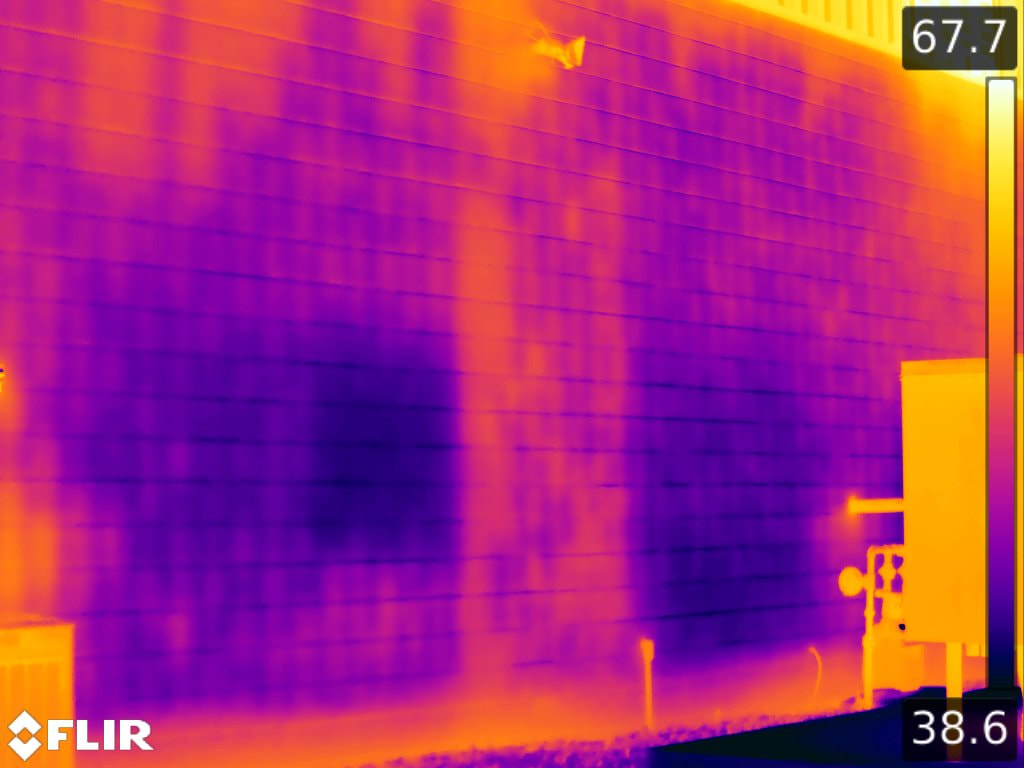
Thermal imaging provides an additional layer of documentation in construction defect litigation by capturing surface temperature differentials that may be associated with moisture intrusion, insulation deficiencies, air leakage, or building envelope irregularities. When performed before remediation or repair activities begin, thermal imagery preserves visual evidence of anomalous conditions that may no longer be observable once materials are removed or assemblies are altered.
From a litigation standpoint, thermal imaging does not diagnose conditions or replace expert analysis. Instead, it functions as a time stamped visual reference that allows experts to correlate temperature patterns with documented site conditions. When combined with photographic documentation, drone capture, and ground based LiDAR scanning, thermal imagery strengthens overall context and supports clearer communication during expert review, mediation, and testimony.
Thermal documentation preserves observable temperature patterns at a moment in time, providing context that may no longer exist once corrective work begins.
Timing Is One of the Greatest Litigation Risks
Once corrective work begins, original site conditions are altered beyond recovery. Walls are opened, materials replaced, assemblies modified, and visual indicators removed. Even well documented repairs do not recreate the conditions that existed when the defect manifested.
Early documentation captures site conditions before interpretation, repair, or alteration, preserving a factual record that can be reviewed throughout litigation. This record allows attorneys and experts to reference what actually existed rather than relying on reconstructed narratives or assumptions made after the fact.
Once repairs begin, the environment changes. Early capture preserves what existed at the time the issue was observed.
Drone Based Documentation Preserves Conditions at Scale
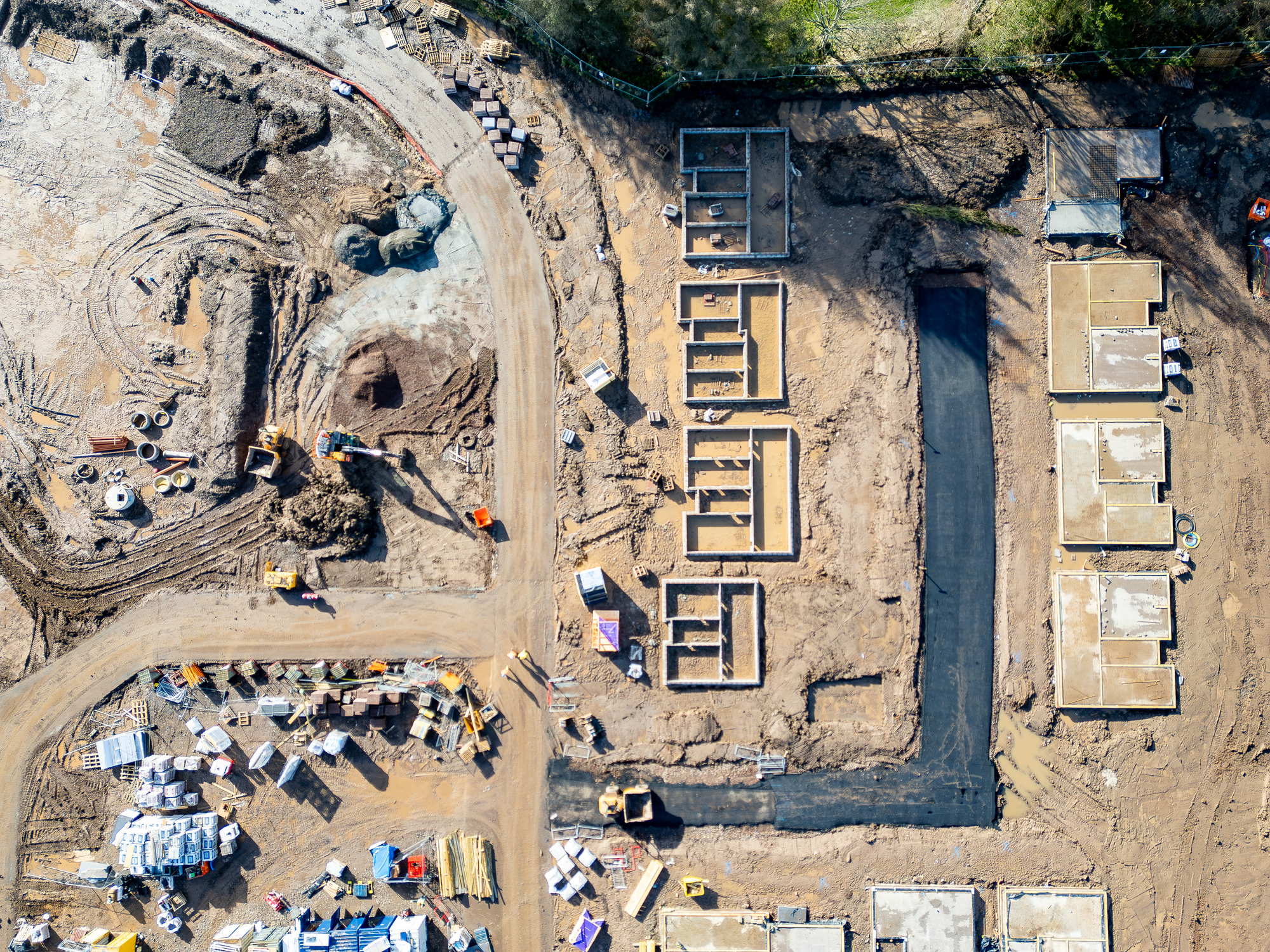
Unmanned aerial systems provide an efficient way to document properties as they exist, particularly when allegations involve roofs, building envelope transitions, grading, drainage, or large commercial sites. Drone based capture can record high resolution exterior conditions, material states, and roof details that can later be altered, patched, replaced, or covered.
From a litigation workflow standpoint, drone imagery can function as a time stamped reference that supports remote review. Attorneys and experts can revisit conditions from multiple angles without repeatedly returning to the property, which becomes important when access is restricted, unsafe, or unavailable due to ongoing repairs or ownership changes. This type of capture is not interpretation. It is a scalable, repeatable record of what was present at the time of documentation.
Ground Based LiDAR Captures Interior and Structural Reality
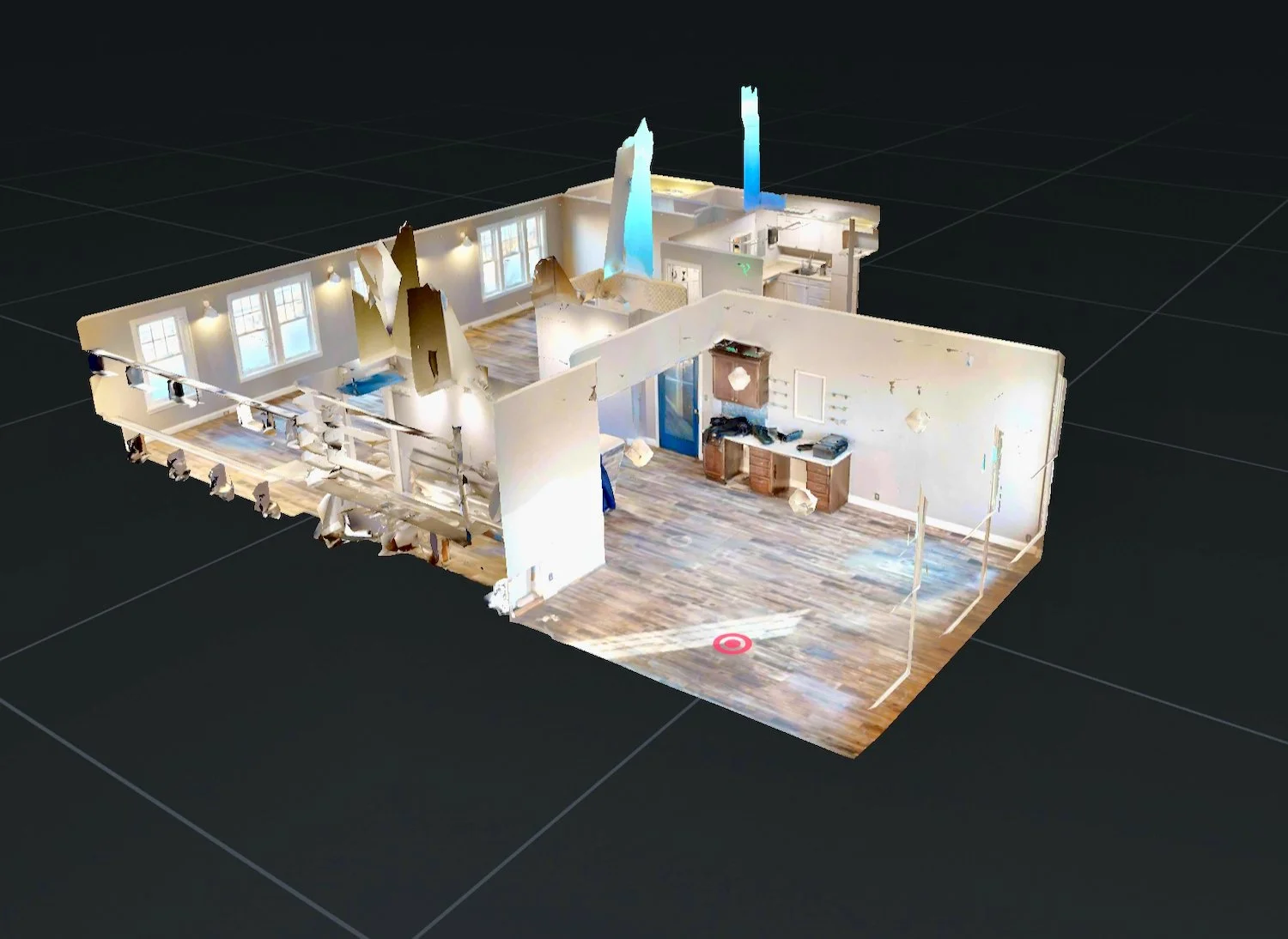
Ground based LiDAR scanning preserves interiors with a level of dimensional accuracy that traditional photography cannot provide. Using laser measurement, LiDAR captures precise geometry, spatial relationships, and layout conditions before repairs, remediation, or demolition changes the environment. This is particularly valuable in cases involving structural movement, settlement, framing irregularities, slab elevation differences, or conditions that require measurement rather than description.
For attorneys and experts, LiDAR based documentation also supports remote review. Once captured, site models can be revisited long after physical conditions change, allowing teams to orient themselves, verify locations referenced in reports, and reduce the need for repeated site access. It creates a defensible reference of space, placement, and relationship between assemblies at the time of capture.
Visual and Spatial Context Strengthens Legal Arguments
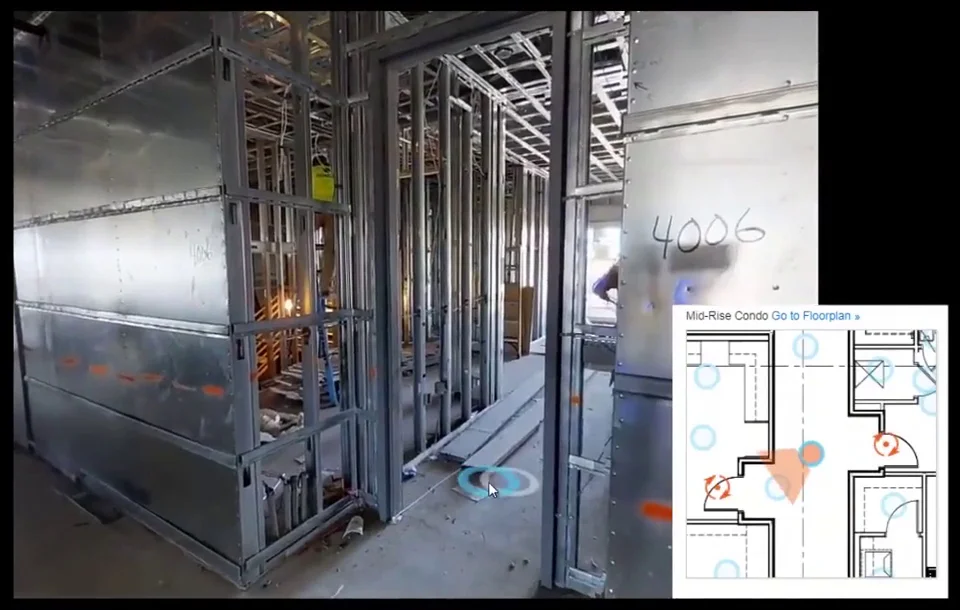
Construction defect litigation often involves technical reports referencing elevations, interfaces, assemblies, and transitions between materials. Without preserved visual and spatial context, these references can be difficult for judges, juries, and opposing counsel to interpret. Context is what turns isolated photos or notes into a coherent understanding of where conditions existed and how they related to the surrounding environment.
When exterior and interior documentation are captured objectively, the resulting record can help reduce ambiguity during deposition, mediation, and expert review. It supports clearer communication of expert findings and provides a consistent reference point as the case progresses.
Common Construction Defect Scenarios Where Documentation Matters
Early site documentation is especially valuable when the alleged defects involve conditions that can be removed, concealed, or altered quickly. Common examples include mold contamination and moisture intrusion, building envelope and waterproofing failures, improper flashing and drainage installation, roofing defects and water penetration, foundation movement and settlement, structural deficiencies and framing errors, and improper material installation or substitution.
In each of these scenarios, the physical environment can change rapidly once corrective work begins. Documenting conditions before alteration preserves what existed at the time the issue was observed and supports later analysis when the site no longer looks the same.
Supporting Experts Without Replacing Them
Drone and LiDAR documentation does not replace forensic engineers, industrial hygienists, building envelope consultants, or other experts. Instead, it supports their work by preserving the conditions they rely on to form opinions. Maintaining a clear separation between documentation and interpretation helps keep the record neutral and appropriate for litigation use.
Experts can apply their methodologies using preserved site conditions rather than attempting to reconstruct environments that no longer exist. Attorneys benefit from a consistent evidence layer that reduces ambiguity as the case evolves.
Final Thoughts
Construction defect litigation is driven by details that are often erased once corrective work begins. For attorneys handling mold, water intrusion, envelope failures, or structural claims, early documentation using drones and ground based LiDAR preserves critical context that cannot be recreated later.
Documenting site conditions before they are altered is not about assigning fault or proving conclusions. It is about preserving reality, ensuring that when disputes arise, they can be evaluated against what actually existed at the time.