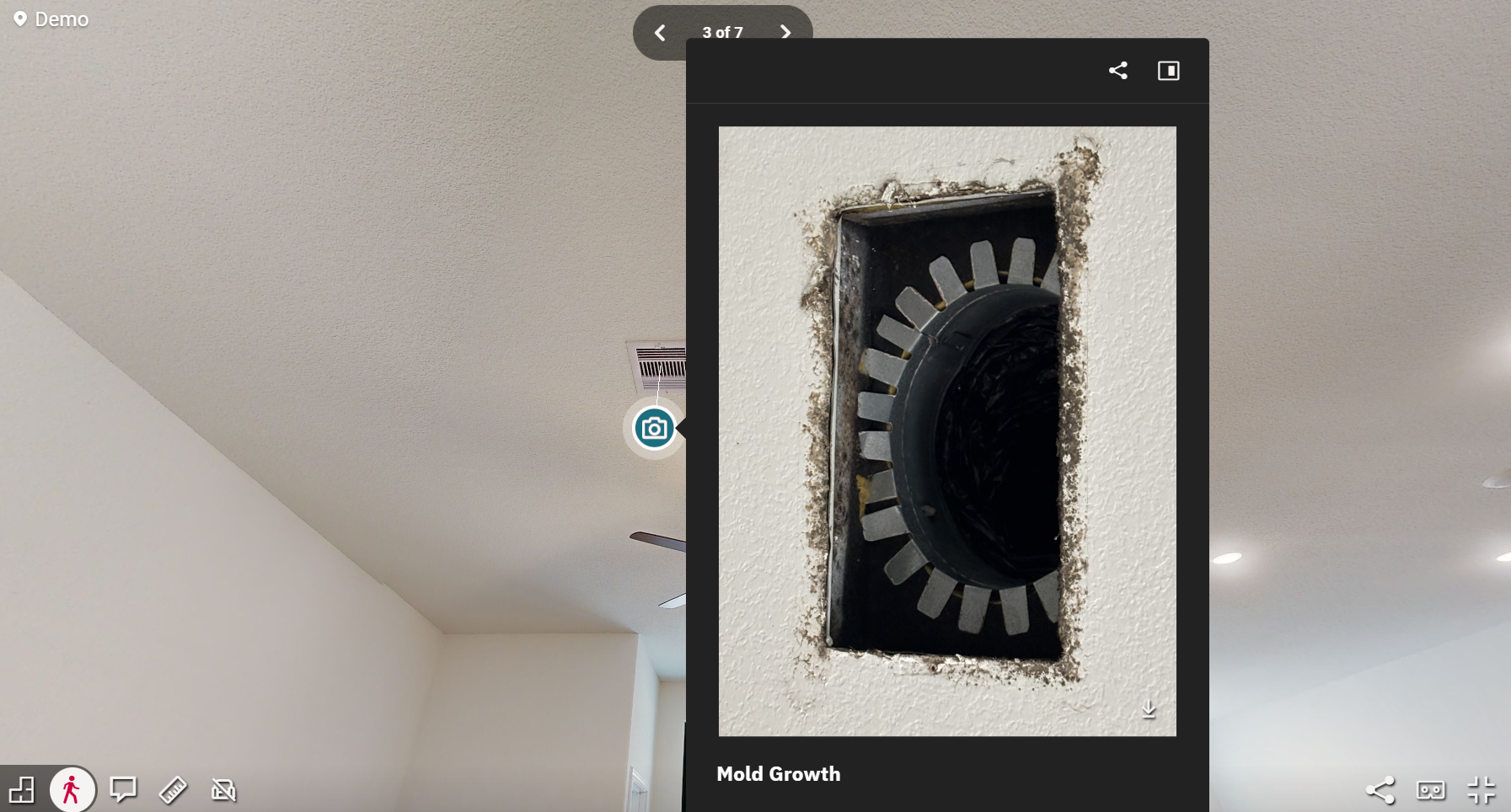
Documenting Mold Assessments and Supporting Safety Decisions
A mold focused documentation approach that supports IH workflows through moisture context, sampling clarity, and defensible visuals
By Jerome Sterling
Mold projects are different from many other IH investigations because conditions can evolve quickly and the physical evidence can disappear fast. Moisture dries. Materials are removed. Containment goes up. Airflow patterns change. Even a well run project can unintentionally erase the exact conditions that informed the original assessment.
That is why I like using Jerome E. Spear’s article as a grounding reference. It lays out the fundamentals of mold risk assessment and remediation with an emphasis on proactive management, prompt action, moisture control, and practical decision making. Read it here: https://jespear.com/mold-risk-assessment-and-remediation/
This post is not a remediation guide and it is not an assessment method. It is a mold specific documentation strategy designed to support industrial hygienists, EHS teams, and environmental consultants by preserving the site conditions that matter most in mold work before they change.
The goal is simple. Preserve moisture context, sampling context, and spatial context so qualified professionals can communicate findings clearly and defend decisions later.
What Makes Mold Work Unique
In mold investigations, the main story is often moisture. Where it came from, how long it persisted, what materials were impacted, and what pathways allowed migration. That story is easier to understand when the environment is documented in a way that shows relationships instead of isolated details.
Spear’s framework highlights the importance of correcting moisture sources and acting quickly. That same urgency creates a documentation challenge. Once drying and demolition begin, the original moisture patterns are no longer visible, and stakeholders may later debate what was present at the time of assessment.
Mold assessments often come down to moisture pathways and time. Documentation helps preserve both in a visual and spatial way.
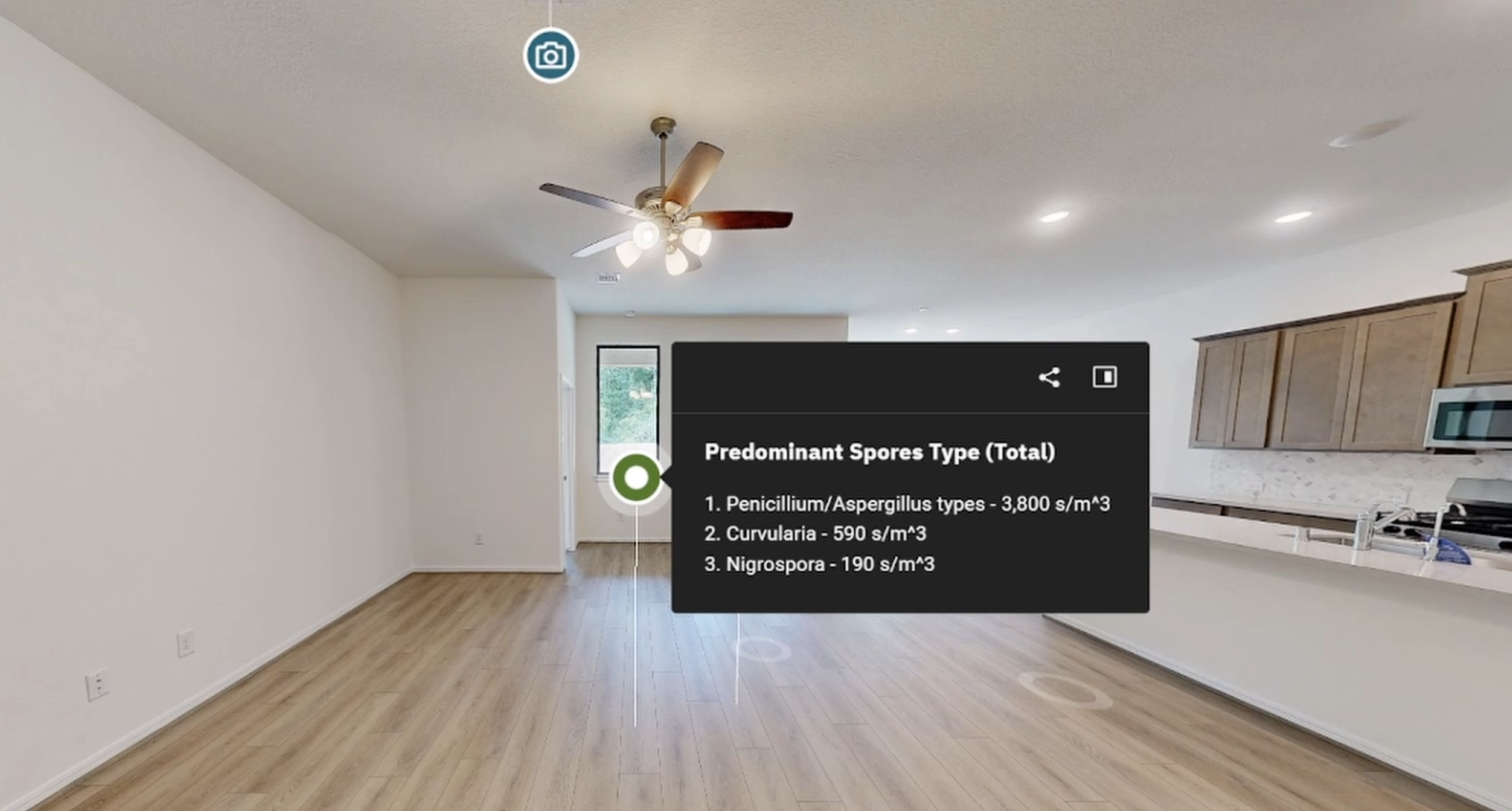
Document Moisture Context, Not Conclusions
Mold risk assessment requires professional judgment. Documentation should not compete with that judgment. It should support it by preserving what can be observed and referenced.
Neutral mold documentation focuses on moisture indicators and building context. Examples include visible staining, material damage, suspected intrusion points, drainage and roof conditions, HVAC and condensate components, and how affected areas relate to occupied spaces.
Documentation does not identify species, determine health impact, assign causation, or recommend remediation. It provides a clear record of conditions so qualified professionals can interpret findings and communicate them without relying on memory or incomplete photos.
Document what is present and where it is present. Let qualified professionals determine what it means.
Sampling Clarity Improves When Locations Are Preserved
In mold work, sampling decisions are often discussed later by people who were not on site. That can include a client, a reviewer, an adjuster, counsel, or a building stakeholder. Even when the sampling plan is well documented, it can be hard to visualize exactly where a sample was taken and what surrounded it.
A documentation layer that preserves spatial relationships can help answer common follow up questions. Where was the sample relative to a supply register. How close was it to a suspected moisture source. What materials were adjacent. What was the condition of the pathway between spaces.
Sampling results are easier to communicate when the sampling context is easy to revisit.
Capture Points That Get Lost in Remediation
Spear emphasizes prompt action and moisture correction. In practice, that means the window to document original conditions can be short. The most valuable time to document is often before work begins or as early as access allows.
In mold projects, documentation can be especially valuable at a few key moments. Before porous materials are removed. Before containment changes pressure relationships. Before drying changes visible moisture signatures. Before repairs conceal the original intrusion pathway. Before access becomes restricted or the site is rebuilt.
Many mold projects become harder to explain after they are cleaned. Early documentation preserves the environment that informed the assessment.
How This Ties Into My Service
My service is built to support professionals who work in safety and environmental investigations. In mold related projects, that support is focused on one thing. Preserve the environment in a neutral way so the assessment, the sampling plan, and the final reporting have a clear visual foundation.
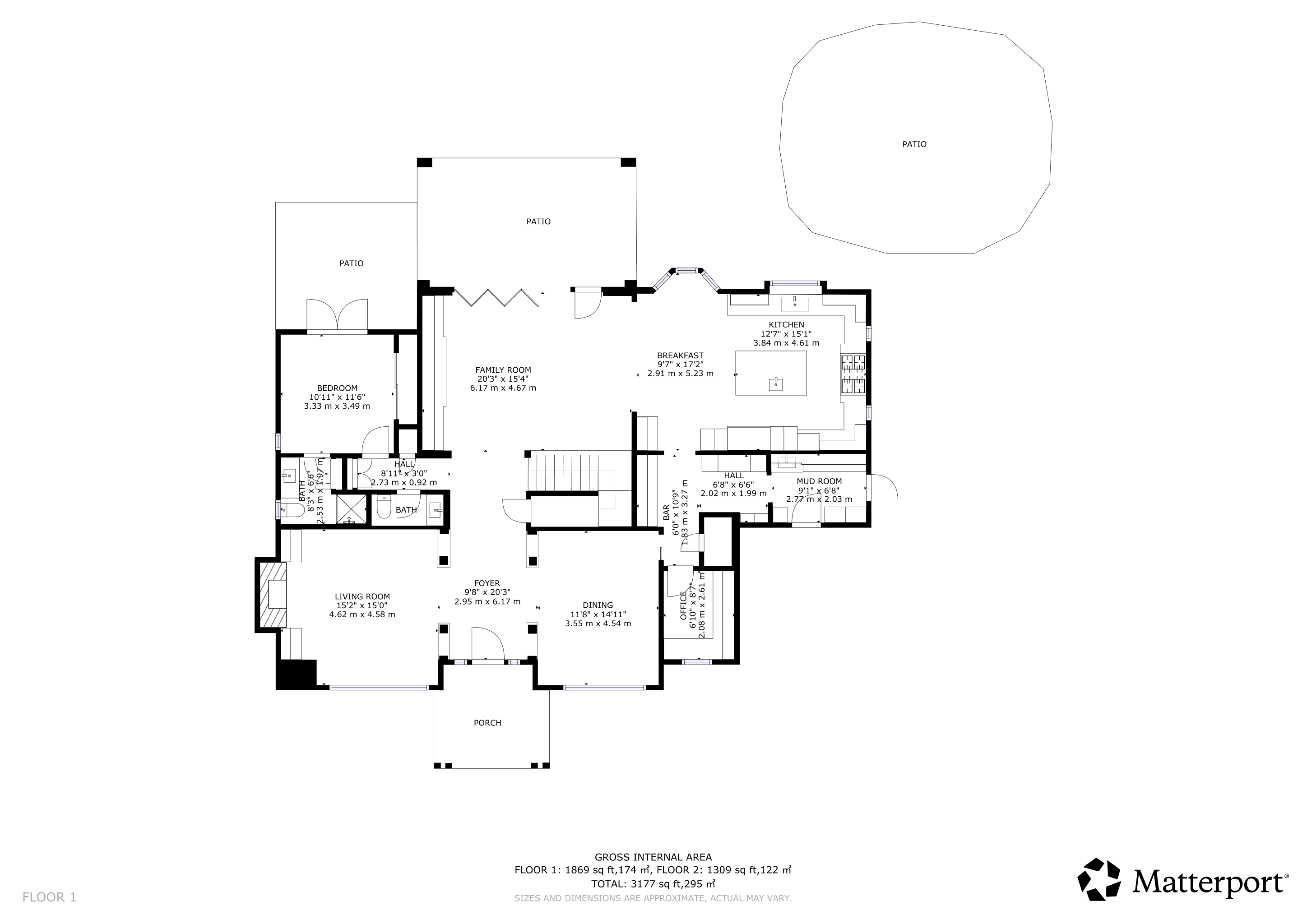
I document interiors and exteriors as a connected system, including pathways between spaces, proximity to building components, and the broader context that is often hard to communicate through text alone. The deliverable is an organized documentation layer that stays useful after the site changes.
I do not interpret findings. I preserve the scene so qualified professionals can defend their process and communicate with confidence.
Final Thought
Spear’s framework emphasizes proactive management, prompt assessment, and moisture control. Documentation fits naturally into that mindset because it preserves the evidence that can be lost when action is taken quickly.
If you are an IH, safety professional, or environmental consultant and you want a neutral documentation layer that helps preserve moisture context and sampling context without stepping into your scope, that is exactly what my forensic site documentation service is designed to provide.
Disclaimer: This content is informational only. Site documentation is not mold assessment, risk evaluation, or remediation guidance. All assessments and decisions should be performed by qualified professionals in accordance with applicable standards and regulations.