Photographs capture detail but destroy orientation
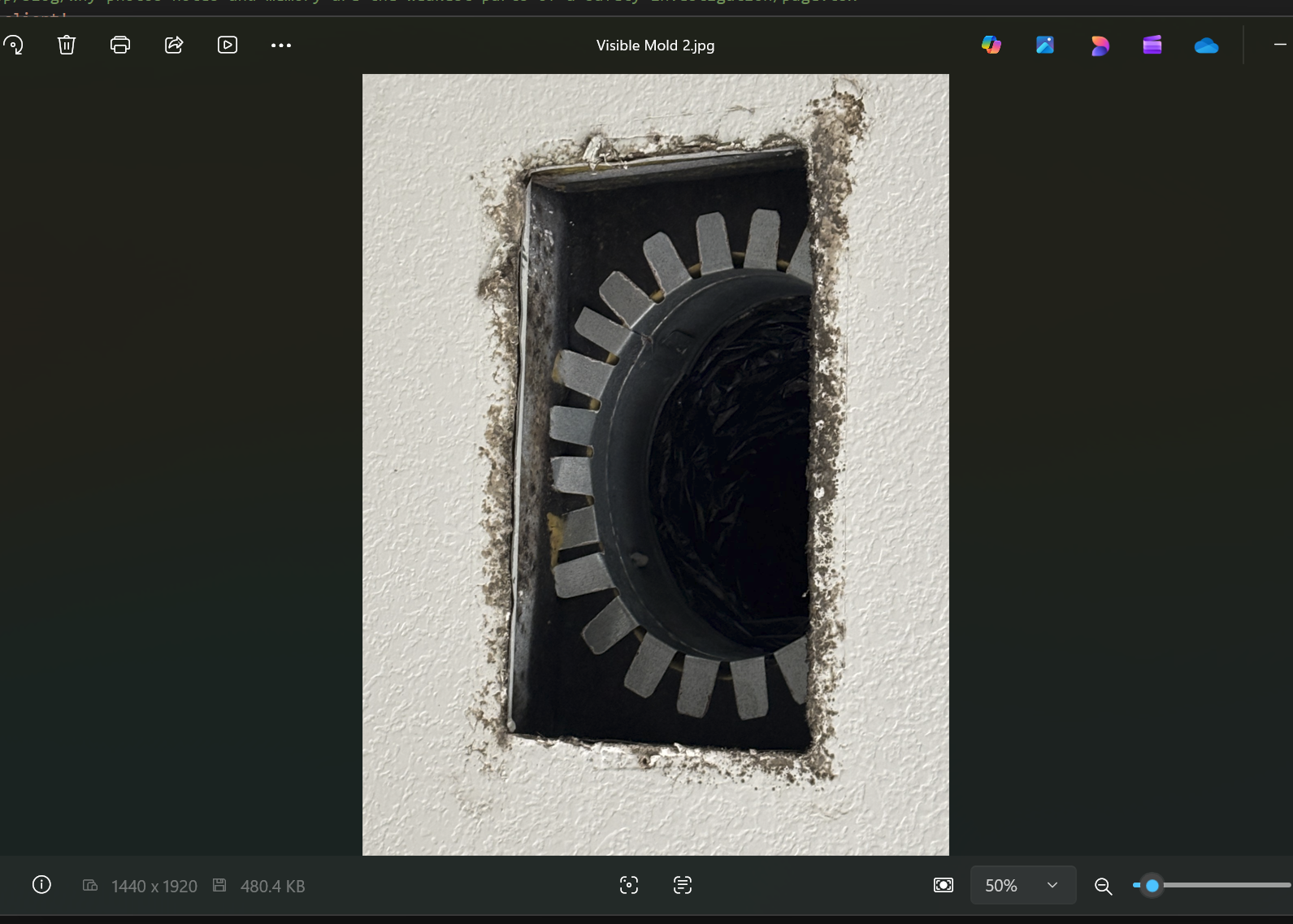
A photograph freezes a moment. In doing so, it strips away spatial context.
Close up images are particularly vulnerable to misinterpretation. They show a condition clearly but remove information about where that condition exists, what surrounds it, and how it relates to nearby systems, equipment, or work paths. Distance, elevation, and adjacency are lost.
Even wide angle photos suffer from the same limitation. Perspective distortion and selective framing influence how scale and proximity are perceived. Two investigators can look at the same image and reach different conclusions about severity or relevance. Without preserved context, photographs become interpretive artifacts rather than objective records.
Notes reflect judgment at a single point in time
Investigation notes are shaped by what appears important at the moment they are written.
Investigators make real time decisions about what to document, what to omit, and how to describe conditions. These decisions are influenced by experience, time pressure, and assumptions about relevance. What seems minor during an initial walkthrough may later prove significant once the full scope of the investigation is understood.
Notes also lose meaning over time. Descriptions such as nearby, excessive, or minimal rely on the reader sharing the writer’s frame of reference. Months later, when conditions have changed or personnel have rotated, those references become ambiguous.
Memory is reconstructive, not reproductive
Human memory does not function like a recording device. It reconstructs events based on fragments, expectations, and information learned after the fact.
Witnesses unintentionally fill gaps. Investigators reinterpret details as new information emerges. Conversations and conclusions influence how events are remembered. This is not negligence. It is human nature.
As time passes, recollections drift further from the conditions that actually existed. When memory becomes evidence, uncertainty follows.
How these weaknesses compound over time
The weaknesses of photos, notes, and memory amplify one another.
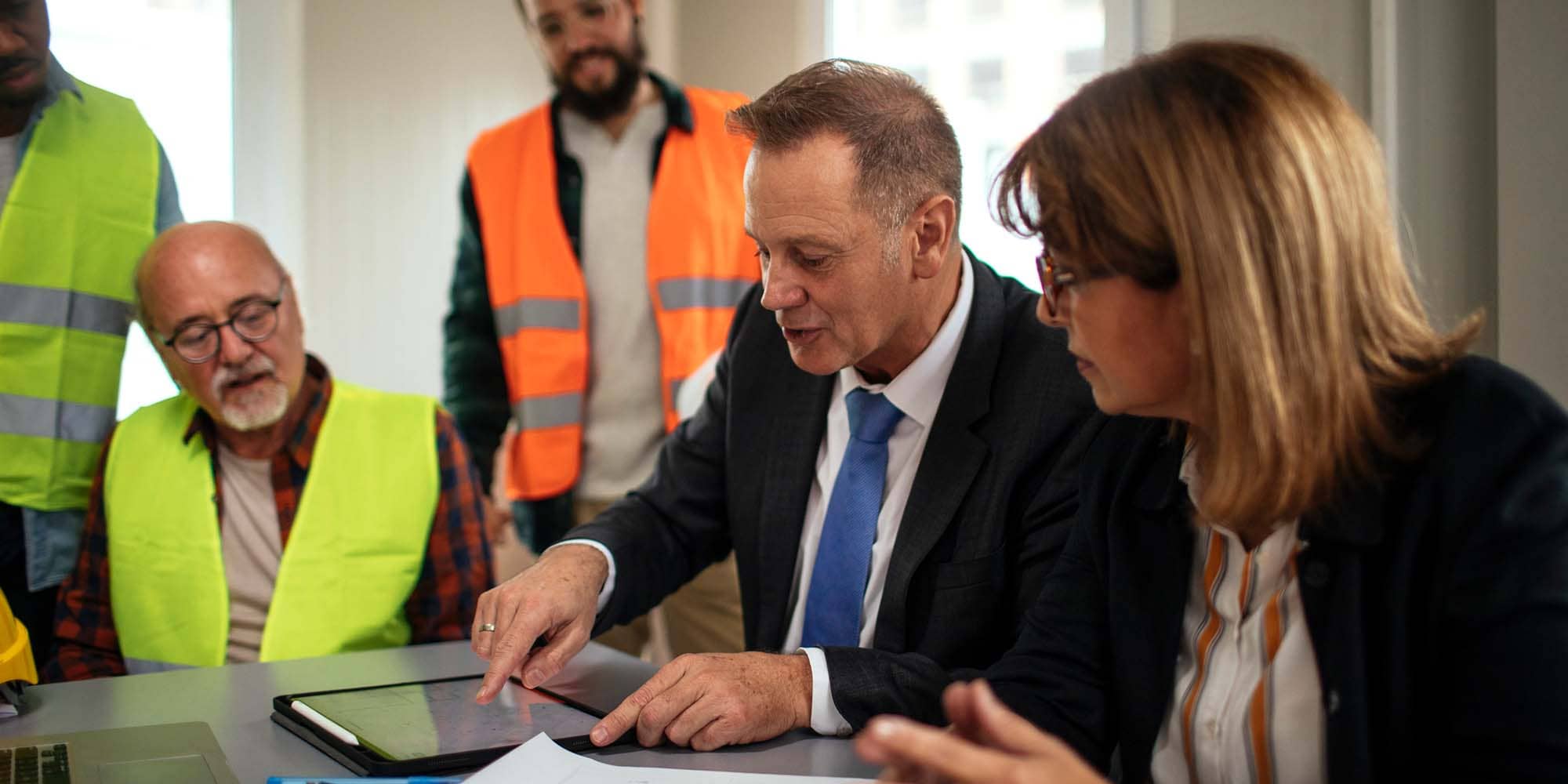
A photograph without context is interpreted using notes. Notes are interpreted using memory. Memory evolves as conversations continue and conclusions form. With each step, the investigation moves further away from the site as it existed at the time of the event.
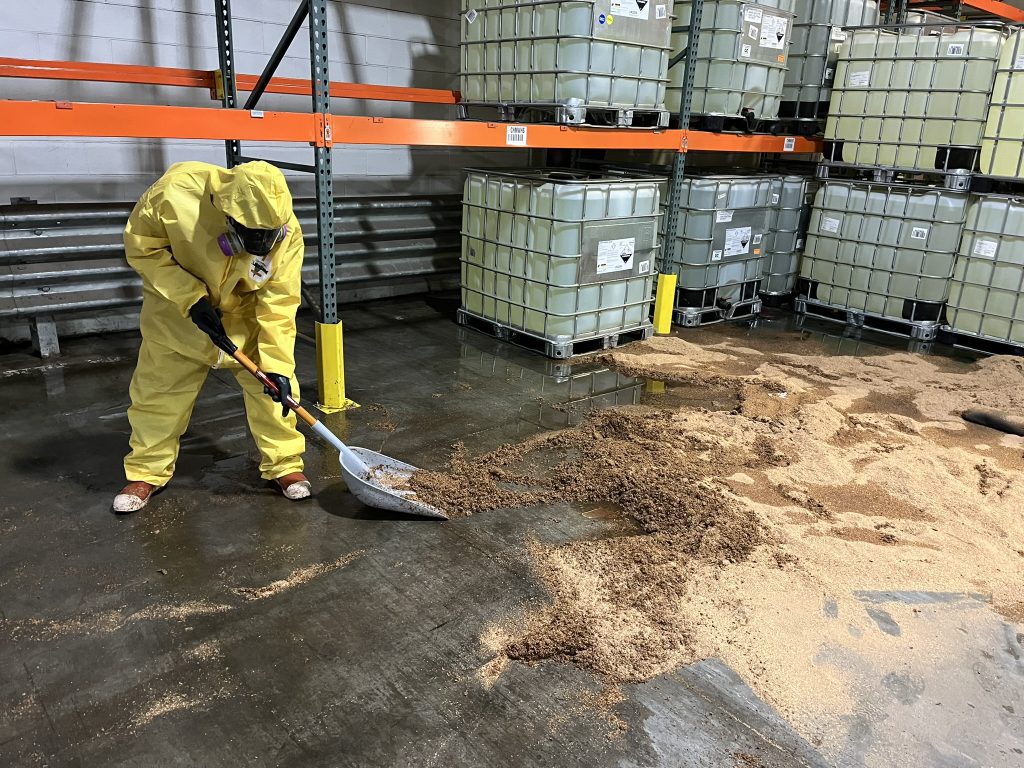
Real world consequences in safety investigations
These limitations create tangible consequences.
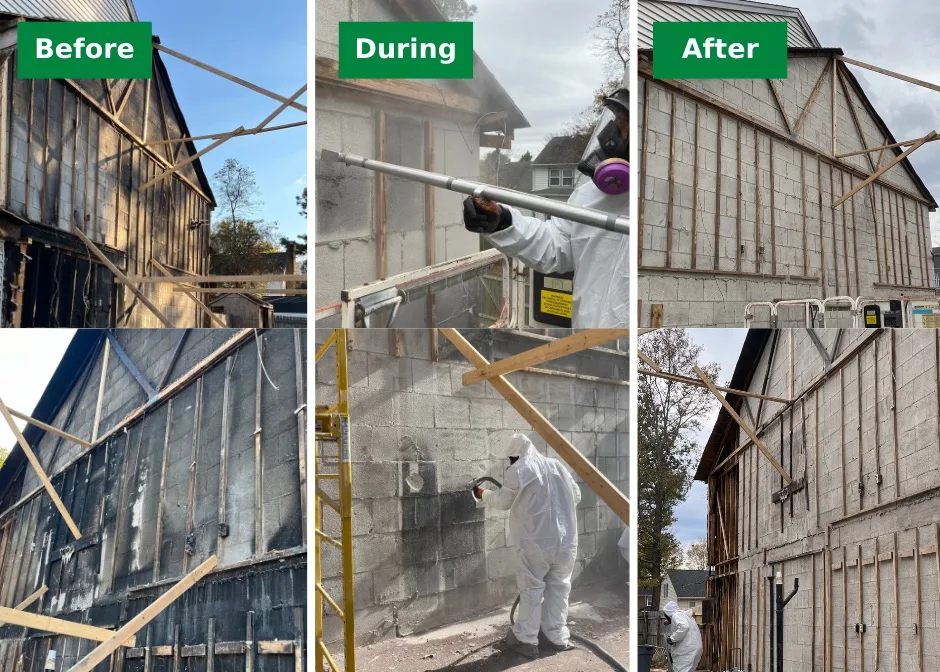
Root cause analyses may identify contributing factors without fully understanding how they interacted. Corrective actions may target symptoms rather than systemic weaknesses. Disagreements arise between stakeholders because interpretations differ. In high stakes environments, this lack of clarity undermines confidence in findings and weakens the value of the investigation itself.
Strong investigations preserve reality, not just evidence
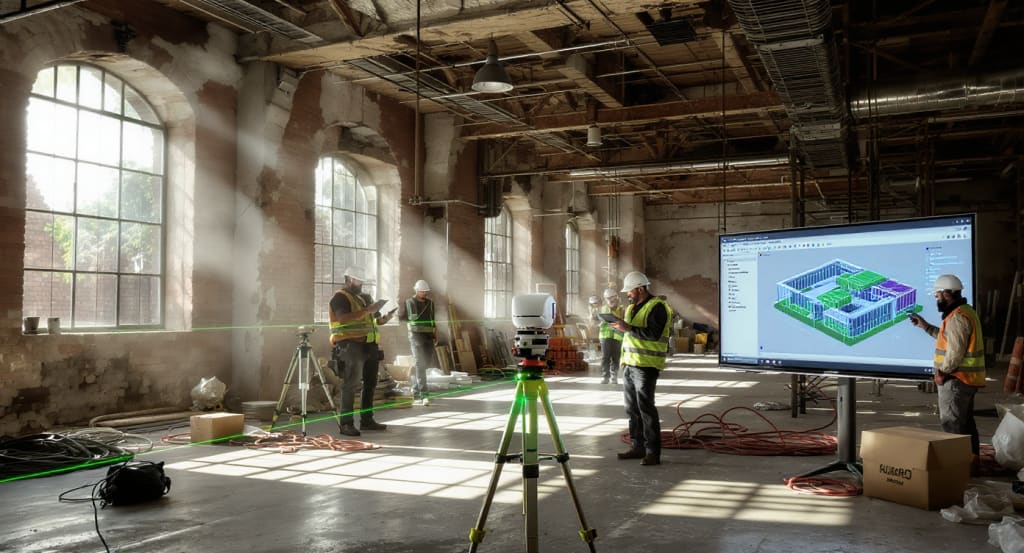
The strongest investigations reduce reliance on interpretation by preserving site conditions as they existed.
This does not replace photos, notes, or interviews. It places them within a framework that captures spatial relationships, orientation, and environment. When context is preserved independently of memory and narrative, investigations become clearer and more defensible.
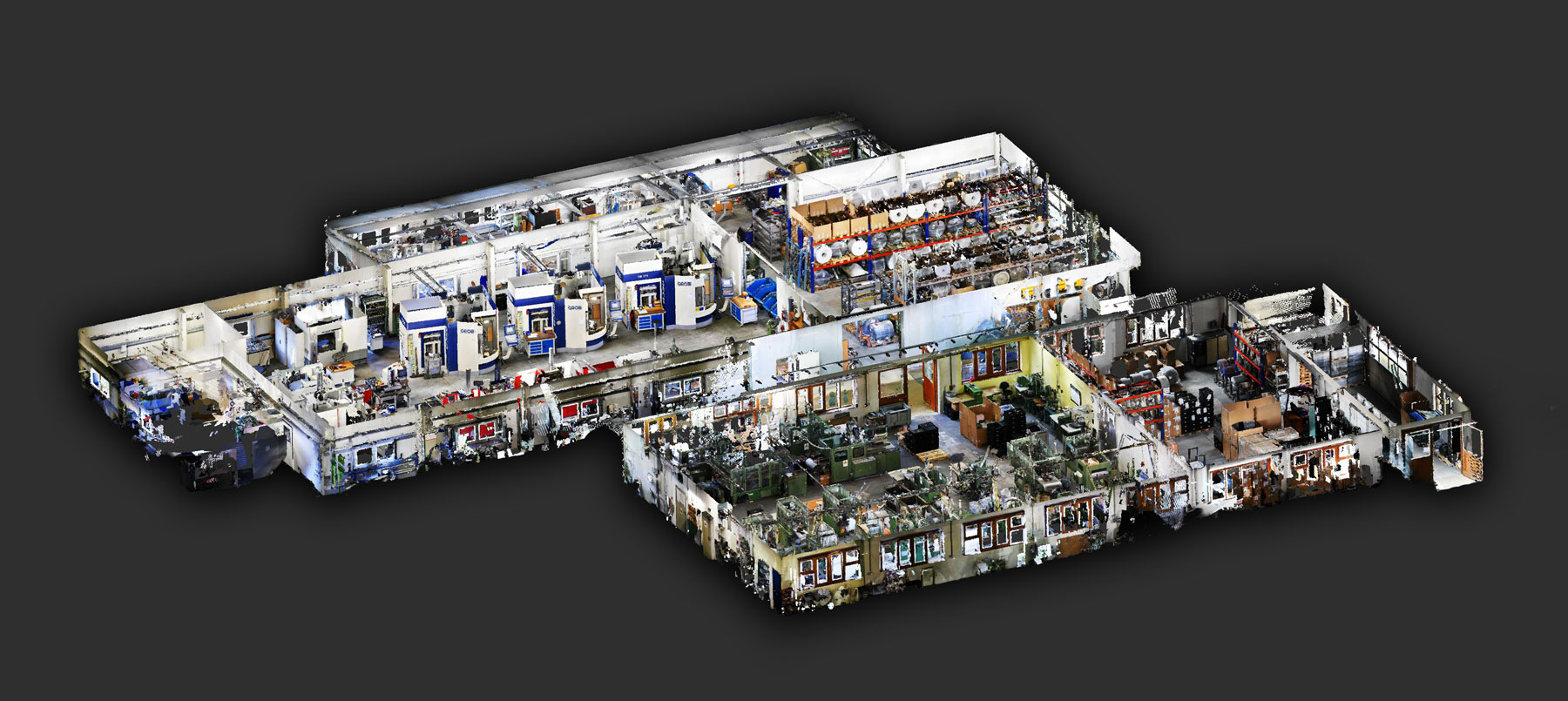
Strong investigations document more than what was seen. They preserve how the site functioned.
Closing perspective
Photos, notes, and memory will always be part of safety investigations. They are familiar, accessible, and necessary. They are also fragile.
When investigations depend on them without preserved context, uncertainty increases and confidence declines. The goal of a safety investigation is not simply to collect information. It is to understand what actually existed, how it functioned, and how factors aligned.
The weakest investigations document pieces of a site. The strongest investigations preserve the site itself.
Want stronger investigations without relying on interpretation
SterFlies helps safety and risk teams preserve site reality with spatially accurate documentation that supports clearer investigations, stronger defensibility, and faster decision making.