

The difference between data and context
Data answers isolated questions. Context explains relationships.
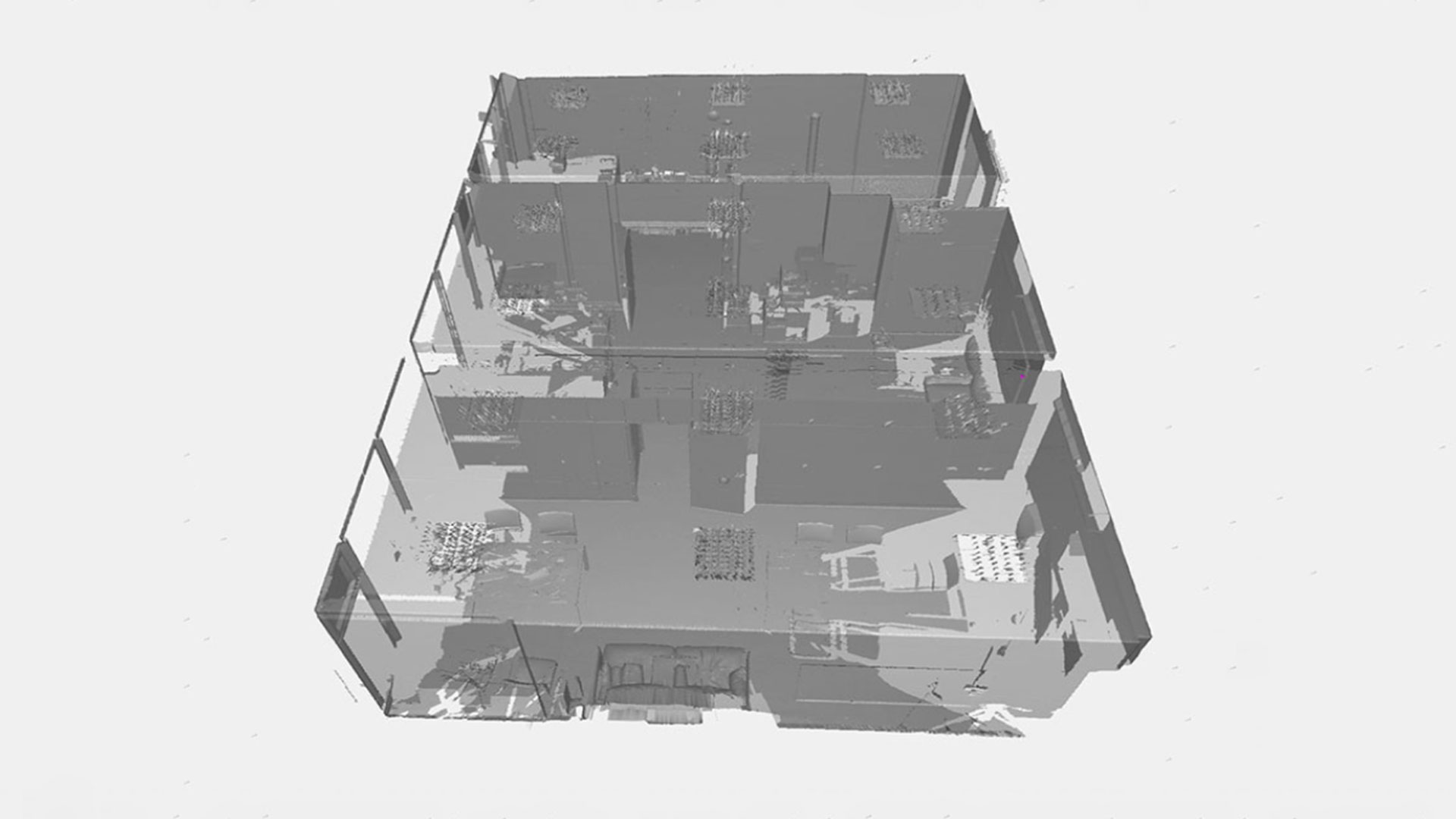
A close up photograph can show a surface condition clearly. It does not explain where that condition exists within the site, how far it is from equipment or access paths, or what surrounds it. A written note may describe a hazard accurately, but without spatial reference it cannot show how that hazard interacts with nearby systems or tasks.
Context includes spatial orientation, scale, adjacency, and environment. It answers where something existed, what surrounded it, and how people and processes moved through the space. Without preserved context, investigators are forced to interpret data in isolation.
Why most investigations have plenty of data
Most safety investigations are documented thoroughly by conventional standards. They include photographs, inspection notes, measurements, and in some cases environmental or industrial hygiene sampling. These materials are valuable and necessary.
However, they are usually collected as fragments. Photos are taken from convenient viewpoints. Notes are written based on what appears relevant at the time. Measurements are recorded without a shared spatial reference tying them together. Each piece of information may be accurate on its own, but the relationships between them are not preserved.

The National Institute for Occupational Safety and Health Total Worker Health® program shows how multi-factor approaches improve safety outcomes by integrating environment, behavior, and system context.
How missing context weakens investigations
When context is missing, investigations rely more heavily on interpretation. Investigators must mentally reconstruct distances, elevations, access routes, and proximity based on memory or partial documentation. Relevance becomes subjective. Stakeholders may disagree on whether nearby conditions contributed to an incident or were unrelated.
As interpretation increases, confidence decreases. Human factors research repeatedly shows that post incident narratives can drift when objective context is missing. A practical way to understand this is through the lens of modern human error research, including Sidney Dekker’s work on how hindsight and outcome knowledge shape interpretation. See The Field Guide to Understanding Human Error.

Why context is often lost during documentation
Context is rarely lost intentionally. It is lost because documentation workflows prioritize efficiency and response over preservation. During normal operations, documentation focuses on immediate concerns. During post incident response, the priority shifts to mitigation, cleanup, and restoring operations. In both cases, preserving spatial relationships is not the primary objective.
Once remediation begins, original conditions may no longer exist. Equipment is moved. Materials are removed. Access routes change. Even documentation captured shortly after an event may reflect a modified environment rather than the conditions that existed at the time of exposure or failure.
This is why OSHA accident investigation guidance emphasizes documenting conditions as close to the time of the event as possible. Accuracy declines as environments change.

Context and root cause analysis
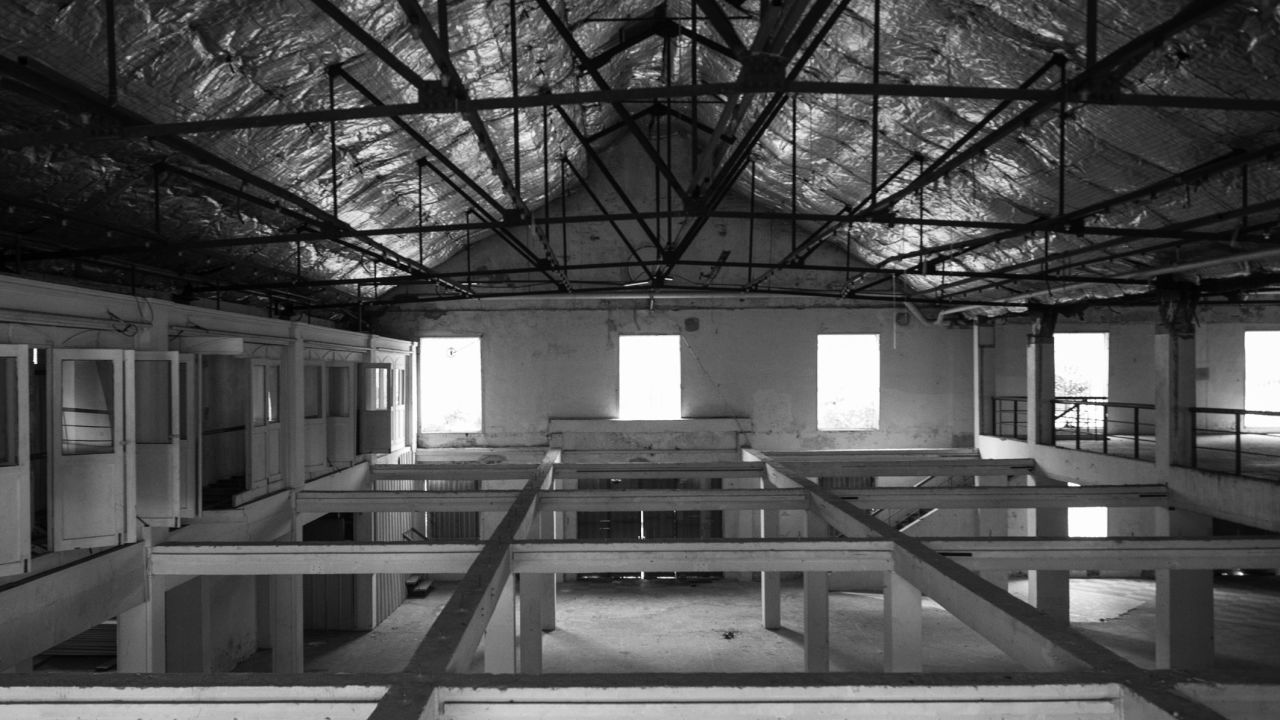
Root cause analysis depends on understanding how multiple factors align to produce an outcome. Incidents rarely result from a single isolated failure.
The work commonly associated with James Reason emphasizes that incidents emerge from combinations of latent conditions and active failures within a system. Many latent conditions are spatial in nature. They involve layout, proximity, and interaction between systems. Reason’s foundational work is most often cited via Human Error.

Without preserved context, investigations may identify contributing factors without fully understanding how they interacted. Corrective actions may address symptoms rather than underlying system weaknesses.
How mature safety programs address the context gap
Organizations with mature safety management systems recognize that documentation is not only about recording findings. It is about preserving reality. These programs document sites during normal operations. They capture spatial relationships, orientation, and environment before incidents occur. They maintain time stamped records that can be reviewed later without relying on recollection or inference.
This approach aligns with principles in ISO 45001, which emphasizes continual improvement and evidence based decision making. Documentation becomes part of the system, not a reaction to failure.
Closing perspective
Safety investigations rarely fail because too little information was collected. They fail because the information that mattered most was never preserved. Context is not supplemental. It is foundational.
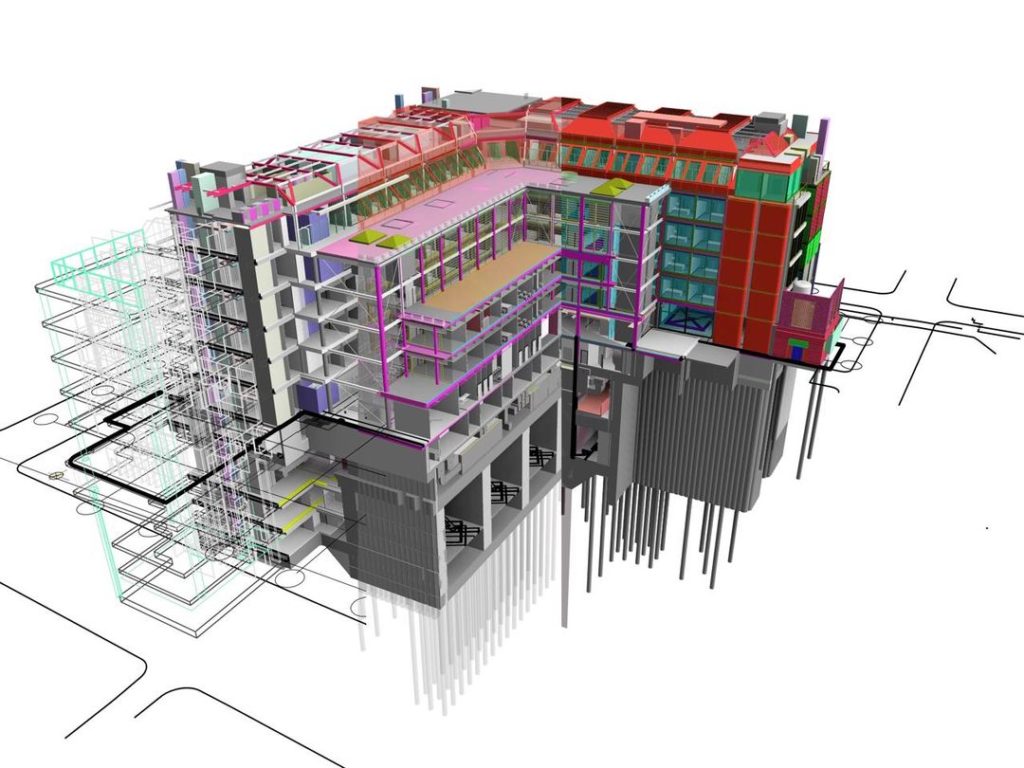
When site conditions are documented in a way that preserves spatial relationships and environment, investigations become clearer, faster, and more defensible. Without that context, even the most detailed data can fall short.
References
- OSHA. Accident Investigation. Occupational Safety and Health Administration, United States Department of Labor. https://www.osha.gov/incident-investigation
- National Institute for Occupational Safety and Health. Total Worker Health® Program. Centers for Disease Control and Prevention. https://www.cdc.gov/niosh/twh/default.html
- Reason, J. (1990). Human Error. Cambridge: Cambridge University Press. Cambridge Core book page
- ISO. ISO 45001 Occupational health and safety management systems. International Organization for Standardization. https://www.iso.org/iso-45001-occupational-health-and-safety.html
- Dekker S. The Field Guide to Understanding Human Error. Routledge. Routledge book page
Want investigation ready context before conditions change
SterFlies helps safety and risk teams preserve site reality with spatially accurate documentation that supports clearer investigations, stronger defensibility, and faster decision making.